Cornel West Quotes
American citizens have been killed abroad by drones with no due process, no accountability, no judicial review.
West, Cornel. Interview. Democracy Now!, 2013.


Many Americans use this opinion to justify our Drone program. Others use it for other targeted killings or assassinations. However, Alston is opining about International Law. When a killing takes place in another country, the biggest problem is the laws of the country where the killing takes place. See {637113}. When a foreign diplomat is assassinated in America, we go after the killers because they have broken U. S. law even if the assassinating nation has convicted the target properly. Whenever we kill someone with a Drone Airstrike, we have the required conditions stated and have not violated International law. However, according to the Pakistani’s for example, we have broken their laws. However, in many occasions, there is little the country where the killing takes place can do anything other than making diplomatic protests unless they want to go to war and use force. Also, targeted killing is perfectly legal if the target is a combatant at war with the killing country, and this is the reason that most of the American Drone killings are legal from a U. S. point of view.


The choice is usually contrasted between guilty persons going free, rather an innocent one be adjudicated guilty. But here the justice tells us that the avoidance of an innocent person being subject to easy arrest is important enough to have a system where guilty people sometimes escape justice.


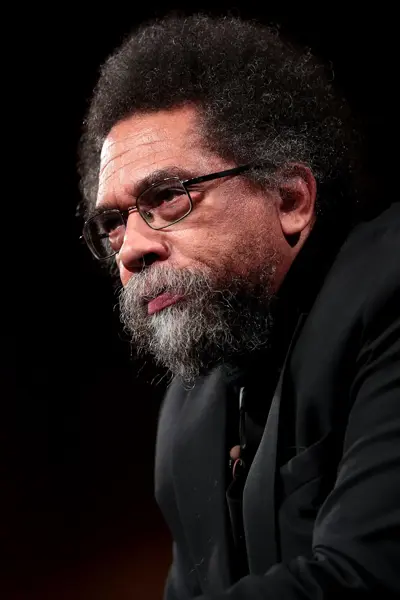
Cornel Ronald West is an American philosopher, political activist, social critic, and public intellectual. The grandson of a Baptist minister, West focuses on the role of race, gender, and class in American society and the means by which people act and react to their "radical conditionedness." A radical democrat and socialist, West draws intellectual contributions from multiple traditions, including Christianity, the black church, Marxism, neopragmatism, and transcendentalism. Among his most influential books are Race Matters (1994) and Democracy Matters (2004).
