Francis Bacon Quotes
All nations that are liberal of naturalization toward strangers are fit for empire.
1st Baron Verulam. Bacon credited the Roman’s ability to absorb different people’s into the empire as a key to their success and argued that this was a critical practice if a nation would become an empire.
Francis Bacon, 1561-1626, Lord Chancellor of England, On the Greatness of Kingdoms and Estates, 1625
Sourced by: Eigen's Political and Historical Quotations


“Service” referred to what was then the 7 year time of apprenticeship that a typical American apprentice was required to work for a master tradesman before he was given colonial citizenship and allowed to trade for himself. Under the bill that was passed anyone could come to the British American colonies (except Jews) by taking an oath of allegiance and paying a small fee. Holland and some thought that it discriminated against those apprentices who had come before and apprenticed themselves thus “playing by the rules.” Ever since, immigration and citizenship debates have faced the tension between the need for labor in America and the fairness to the people who had followed the earlier existing rules restricting immigration.


This is the origin of the “melting pot” term. Although British, Zangwill wrote this play for America and it was first produced in Washinton DC with Theodore Roosevelt in attendance. The theme was just the concept that most Americans think of relative to the large immigration of so many peoples to America.


Many in Alabama were distressed that other states were benefitting from the waves of immigrants to America but relatively few were going to Alabama. They wanted more whites to diminish the proportion of Negroes. By the beginning of 21st century, many people in Alabama had turned against immigration as they feared that immigrant Hispanics and Blacks together would be a majority in the state.


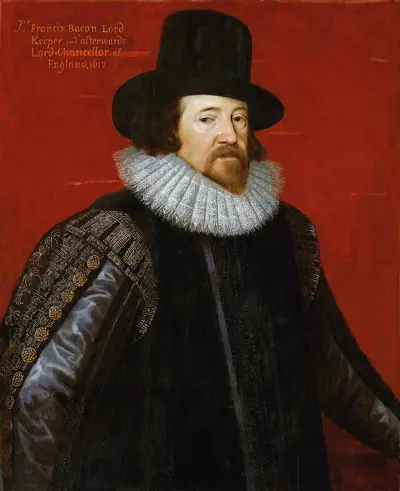
Francis Bacon, 1st Viscount St Alban, Kt PC QC, also known as Lord Verulam, was an English philosopher and statesman who served as Attorney General and as Lord Chancellor of England. His works are seen as developing the scientific method and remained influential through the scientific revolution.
