Plutarch Quotes
Alexander is as gentle after victory as he is terrible in the field.
After a victory, Alexander did not treat the newly conquered regions badly. In most cases the quality of lives of the average person improved. Most important, he did not interfere with local cultural traditions and his men intermarried with the conquered population.
Plutarch, c. 46-c. 120, Greek Biographer, Description of Alexander the Great, The Parallel Lives: Alexander
Sourced by: Eigen's Political and Historical Quotations


There are some who see Israeli behavior after they were victorious in defeating the Arab attacks and attempted invasions.


Spinoza's perception of peace was hundreds of yearsa ahead of his time. Spinoza’s ideas were considered so radical and dangerous that he was the only man in history who was excommunicated by the Catholics, the Jews and the Muslims.


There is a corollary to this proverb, that frequently reflects itself in Arab culture. It is that one who is not strong must never concede. To concede out of strength is manly and noble. To concede out of weakness is cowardly and base. Middle Eastern International politics is totally irrational to Westerners when a badly defeated country of group will often not even meet with the victors to discuss peace or terms of surrender. It is the victors only who can make concessions without losing dignity and respect.


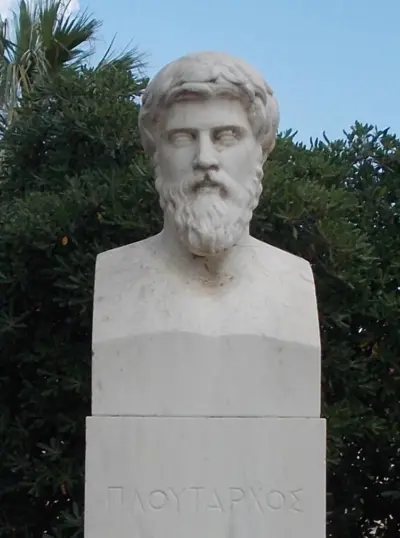
Plutarch (/ˈpluːtɑːrk/; Greek: Πλούταρχος, Ploútarchos; Koine Greek: [ˈplutarkʰos]; AD 46–after AD 119) was a Greek Middle Platonist philosopher, historian, biographer, essayist, and priest at the Temple of Apollo. He is known primarily for his Parallel Lives, a series of biographies of illustrious Greeks and Romans, and Moralia, a collection of essays and speeches. Upon becoming a Roman citizen, he was named Lucius Mestrius Plutarchus (Λούκιος Μέστριος Πλούταρχος).
