Naomi Klein Quotes
After the Pearl Harbor attacks, around 120,000 Japanese Americans were jailed in internment camps. If an attack on U.S. soil were perpetrated by people who were not white and Christian, we can be pretty damn sure that racists would have a field day.
Klein, Naomi. No Is Not Enough: Resisting Trump's Shock Politics and Winning the World We Need. Haymarket Books, 2017.

This racist officer was the impetus for one of the terrible wrongs in American history but most of the national establishment and FDR himself signed off on it to his everlasting disgrace. See {587961} and {635792}.

the attack on Pearl Harbor


This statement shortly after the Japanese attacked Pearl Harbor, was remarkably prescient. The last sentence was exactly what happened although at the time some criticized him for being too paranoid about racial matters.

Miller, along with the Attorneys General and Governors of the 10 western states, were meeting with Milton Eisenhower to discuss relocating west coast Americans of Japanese ancestry in the inland states during World War II. Eisenhower then resigned as the first director of the War Relocation Authority.
Initially when the World War II idea of evacuating Japanese Americans from the West Coast was proposed, General De Witt and replied, “Damned nonsense!”

The Congressman was a rabid foe of immigration in general and possible illegal immigration in particular (See {614687}). As his colleagues were trying to improve the methods of identifying illegal workers at the job hiring stage, they were very concerned that law enforcment and some employers would make judgments about the likely criminal status of a person based on his/her ethnicity, race or other general superficial characteristics.

The Proclamation was a belated admission of the disgraceful internment of loyal Japanese Americans during WWII. See {587961}. “Evacuation” was the euphemism for rounding up Japanese American citizens and putting them in internment camps. Not a single Japanese American was involved in any effort to sabotage or undermine the United States. The same cannot be said about the German Americans where a few did work against U. S. interests and yet the German-Americans were never rounded up. The explanation of the difference has been long debated. Racism was a part of it; California paranoia, another. And unfortunately, Japanese Americans owned very desirable land in California and when they could no longer make their payments some interests gobbled up the land and that was a motivation for some. Regardless, it was one of the low points in American history, and warranted this Presidential and national apology.

At the time, General Flynn was campaigning as a part of the Donald Trump Campaign Team. There was a great deal of Islamaphobia and Flynn and Trump thoght that given the history of Radical Islamic Brutality and Gross Violence, the rear was reasonable. Critics however pointed out that while some Southernors were still violent White Supremicists leaders should not encoruage a fear of Southerners. They argue that the fear should be of extreme radical Muslims, and not Muslims in general. The generalization of fear to all people of any group for the actions of a small subset of the group is actually dangerous and leads to prejudice, feal, hate and often violence such as when many American Blacks feared all pol;ice in the beginning of the 21st century becasue dozens of police officers short and killed unarmed black men,, or the West Cast American fear of the Japanese in WWII, or the terrible result--the Holocaust-- of many Germans' fear and hate of Jews for the "trangressions" of some. All human groups have some bad souls within the greater body of good people--including Muslims.


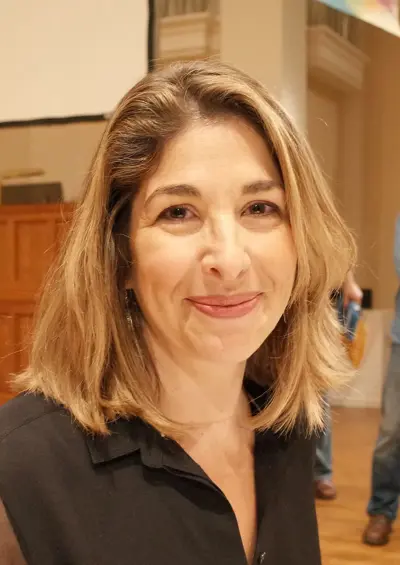
Naomi A. Klein is a Canadian author, social activist, and filmmaker known for her political analyses and criticism of corporate globalization and of capitalism. On a three-year appointment from September 2018, she is the Gloria Steinem Chair in Media, Culture, and Feminist Studies at Rutgers University.
