Ian Smith Quotes
A whiter, brighter Rhodesia
Ian Smith, 1919–2007, Prime Minister of Rhodesia, Campaign promise, Quoted in The Atlantic Monthly, December 2003
Sourced by: Eigen's Political and Historical Quotations


The upper socioeconomic classes are generally less rascist then the lower classes in the United States as well as England and South Africa. The counter argument given by the lower classes are that the upper classes have the money to insulate themselves from the negative aspects of desegregation and the lower class whites have to bear the brunt of desegregation. However, in South Africa, the English of all socioeconomic classes were far less enthusiastic about apartheid then were the Boers. The latter were farmers who wanted the land; the former were traders who could succeed even of the Blacks had their land and were given political rights.


He was advocating separation of the races.

The Boers were lower class, uneducated, farmers from Holland who came to South Africa before the English did. They were at the bottom of the Dutch socioeconomic ladder. Unlike the English who were interest in establishing a trading colony, the Boers just wanted to own and farm the land and use blacks as slave or cheap labor. The Dutch Government and Trading companies lost interest in South Africa as there were much more profitable parts of the world, and they felt no obligation to the Boers whom they were glad to be rid of. So the Boers found themselves having to follow the British laws and rules of the British Colonial Office. Slavery was outlawed, and Blacks could be educated and become citizens under British law. They could own land, and contest the right of the Boers who had settled in some uninhabited land and some that was owned by Black tribes. The Blacks outnumbered the whites in general and the Boers, and there were educated Blacks who “outclassed” the still relatively uneducated Boers. So the Boers, fighting for their “way of life” set up their own area in Southern Africa and claimed independence. But Blacks claimed that it was their land and looked to the British to exercise English law. The Boer war ensued. Although the Boers lost the war, the bred at a much faster rate than the English, many of whom did not even have their families in South Africa. By the end of WWII, the Boer white majority controlled the government and kept the majority Blacks from voting and having full citizenship rights. They dominated Apartheid South Africa until the Black Revolutionists obtained control and although Black and white relations are better in South Africa than most countries, the extemeist Boers and most militant Blacks are in political, but not violent, conflict. Churchill and the British have always perceived themselves as being caught in the middle between the Boers and the Blacks.

Hale's "Church" was a White Supremicist violent, terrorist, organization. Hale himself was jailed for attemoting to assassinate a Federal Judge. This quotation is historically interesting as it shows the strange paranoid thinking of one of the American Ultra Right Wing Organizations in America at the beginning of the 21st century.


Twenty years earlier (see related quote) Mugabe invited the whites to stay in the country promising a non discriminatory government of racial equality. However, when he lost favor and grew unpopular and was about to be voted out of office, he started a race conflict, and destroyed what had been one of the strongest economies of Africa in the process. Mugabe sanctioned the murder of a number of whites as well as Blacks who did not share his racist views.


The power structure of England and the English administrators of South Africa were strong advocates of racial equality at the beginning of the 19th century. They insisted on equal administration of law. However the Boer white population could think of nothing more absurd. In a sense the Boers were much like the Southern Whites at the same time. The South African government however could not enforce its equality policies in the rural area – the majority of South Africa at the time. When democracy and self rule came to South Africa, the racially moderating force of the English was minimized and the majority of South Africans wanted a racially segregated society. Apartheid resulted.
Description of the Dutch Reformed Church in South Africa in the 1730’s
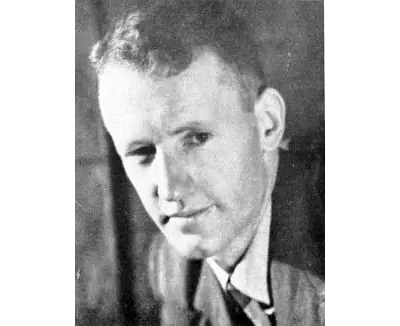
Ian Douglas Smith GCLM ID was a Rhodesian politician, farmer, and fighter pilot who served as Prime Minister of Rhodesia (known as Southern Rhodesia until October 1964 and today known as Zimbabwe) from 1964 to 1979. He was the country's first premier not born abroad, and led the predominantly white government that unilaterally declared independence from the United Kingdom in November 1965, following prolonged dispute over the terms. He remained Prime Minister for almost all of the 14 years of international isolation that followed, and oversaw Rhodesia's security forces during most of the Bush War, which pitted the unrecognised administration against communist-backed black nationalist guerrilla groups. Smith, who has been described as personifying white Rhodesia, remains a highly controversial figure—supporters portray him as a man of integrity and vision "who understood the uncomfortable truths of Africa," while his opponents consider him "an unrepentant racist."
