Elbridge Gerry Quotes
A standing army is like a standing member. It's an excellent assurance of domestic tranquility, but a dangerous temptation to foreign adventure.

Washington, although the presiding officer of the Constitutional Convention, said almost nothing for such was the respect for him that he cou;d sway almost any issue. But the absurdity of limiting the size of the American Army was too much for him, and his clever way of phrasing his concern ended discussion of that idea without any ill feelings.


This was an official publication of the U. S. Army. The First World War had very little affect on future military preparedness At that time conservatives in Congress were very isolationist and military preparedness was not a high priority or even a significant political issue. The Democrats then were more supportive of military spending than the Republicans. It took World War II, for which America was very unprepared, to produce a change in public and political opinion regarding military preparedness.

The French and English, with larger numbers and more experienced troops and officers, wanted the American units to come under the command or their officers and be integrated into the allied army. However Wilson established the tradition that American troops fighting abroad most always fight as an American Army under American Command. Although resented then and into the 21st century by America’s allies who are expected to fight under American command, it is a tradition that no American major politician has seriously challenged since then.
These two states actually prohibited their legislatures from maintaining a standing army. Similar sentiments were in the constitutions or bill of rights of New Hampshire, Delaware, Maryland and Massachusetts but the option was left with the legislatures. A similar phrase appears in the Virginia Bill of Rights of 1776.

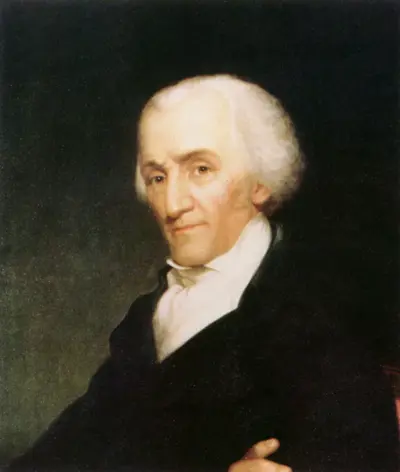
Elbridge Thomas Gerry was an American politician and diplomat. As a Democratic-Republican he served as the fifth vice president of the United States under President James Madison from March 1813 until his death in November 1814. The political practice of gerrymandering is named after him.
