William Shakespeare Quotes
A man may see how this world goes with no eyes. Look with thine ears: see how yond justice rails upon yon simple thief. Hark, in thine ear: change places; and, handy-dandy, which is the justice, which is the thief?
Shakespeare, William. King Lear. Act 4, Scene 6.


Ingersoll was considered to be the greatest orator and political thinker of his day, but his overt atheistic views curtailed his elected political career.


Bruce is one of the few American Comedians to so offend the political establishment that he was constantly legally harassed throughout his career. He was actually criminally convicted in New York for obscenity. In 2003 he was posthumously pardoned by the New York Governor, the first posthumous pardon in state history.

President’s did not have then the kinds of staff resources that they would get later. Roosevelt had friends and professional relationships with journalists, military men, business men and others whom he used for staff work and advice. Franklin Delano Roosevelt also used this technique extensively.

McCarthy was in many ways like Donald Trump. One was that the press loved to cover his statements and accusations that were so absurd and sensational that they sold a lot of nespapers, magazines and obtained many TV / Radio viewers/listeners. As a result he got much more media coverage that he warranted in the view of many. In retrospect, Kampton, one of the most prestegious journalsits of his era, felt that he had been guilty of wrongful judgment in covering McCarthy and giving him so much press, just as many journalists did after they covered Donald Trump in the 2016 Campaign.


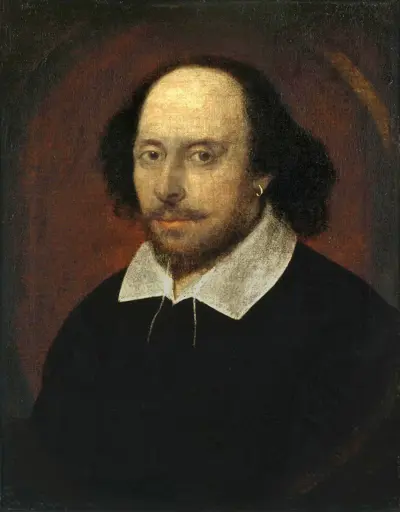
William Shakespeare was an English playwright, poet, and actor, widely regarded as the greatest writer in the English language and the world's greatest dramatist. He is often called England's national poet and the "Bard of Avon" (or simply "the Bard"). His extant works, including collaborations, consist of some 39 plays, 154 sonnets, three long narrative poems, and a few other verses, some of uncertain authorship. His plays have been translated into every major living language and are performed more often than those of any other playwright. They also continue to be studied and reinterpreted.
