Bob Dylan Quotes
Steal a little and they throw you in jail Steal a lot and they make you king.
Dylan, Bob. "Sweetheart Like You." The Lyrics: 1961-2012. Simon & Schuster, 2014, p. 467.


Salisbury was a brilliant, effective prime minister, but he was a snob and not a democrat. See {639131}.


He was trying to get the Democratic Presidential Nomination.

As this quotation demonstrates, this problem has plagued America for a long time. In terms of crimes committed, for example, General Electric Corporation has committed more crimes than any other criminal enterprise, but it thrives despite this and the penalties are seen as just a slap on the wrist when they do get caught but they do not even get prosecuted for many of their crimes like most large corporations and rich individuals who commit crimes. The people who go to jail are usually the lower level or middle level criminals and the kingpins, the ones with the control and the money, rarely even get prosecuted. In the Great Recession, the largest banks in America committed tens of thousands of serious crimes by forging signatures and making false claims on legal documents. Not a single executive ever went to jail or was even given a suspended sentence. The banks paid small fines.


He was the lead investigator of President Jacques Chiraq who had admitted being present, when mayor of Paris, at major payoffs of kickbacks to his party associates for awarding of public contracts. However, the French authorities gave the President immunity and ordered the investigation halted.


Ingersoll was considered to be the greatest orator and political thinker of his day, but his overt atheistic views curtailed his elected political career.


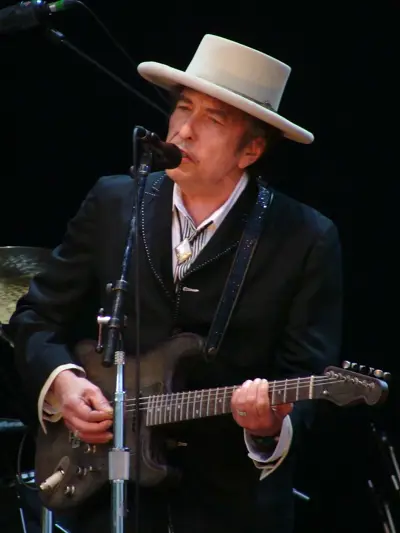
Bob Dylan is an American singer-songwriter, author and visual artist. Often regarded as one of the greatest songwriters of all time, Dylan has been a major figure in popular culture for more than 50 years. Much of his most celebrated work dates from the 1960s, when songs such as "Blowin' in the Wind" (1963) and "The Times They Are a-Changin'" (1964) became anthems for the civil rights and anti-war movements. His lyrics during this period incorporated a range of political, social, philosophical, and literary influences, defying pop music conventions and appealing to the burgeoning counterculture.
