Judith Krug Quotes
A librarian is not a legal process. There is not librarian in the country — unless she or he is a lawyer — who is in the position to determine what he or she is looking at is indeed child pornography.
The definition of child pornography can be so vague that none but a specialized attorney could tell, and even then the courts often disagree.
Judith Krug, 1940-2009, Director, American Library Association's Office for Intellectual Freedom, Jeffrey M. Barker, "Libraries vs. Police in a Suit Sparked by Porn; Kent Case Centers on People's Rights and Protections" Seattle Post-Intelligencer, August 13, 2002
Sourced by: Eigen's Political and Historical Quotations


Facebook was the most aggressive of the Social Media Web companies at the time in censoring any material that glorified terrorism or terrorist organizations. The problem of course, was the First Amendment rights of the web users to publish and read what they choose. But private firms are not covered by the Bill of Rights—only the government. See {583142} for the message some authorities believed was being transmitted.


This is one of the earliest American articulation of the 12 man jury.

The two law enforcement officers had testified that they arrested demonstrators who had “come to break the law” and had not at that point broken any laws.
Abolition was an issue from the first Congress onward. By the 1850s there was a major, and in the view of the Southern Slavery enthusiasts, incessant political, journalistic, and intellectual attacks on slavery. The latter two really affected public opinion and opposition to slavery grew in intellectual and educated circles. This document was an example of the literature of the time where the attack on slavery was made by simply explaining the “logic and facts” of the existing laws of the slave states. Once exposed in their entirety, the horror and immorality of the institution was supplemented by the intellectual absurdity and logical fallacies of the pro slavery forces. Note the swipe Goodell takes at Congress. This kind of public criticism made it harder and harder for the Northern Congressmen to “go along” with the South on the slavery issue, and the next decade of increased polarization on slavery culminated in the Civil War. It was not the Southern representatives who changed, but consciousness raising and public opinion changed the Northern perspective and the voting of the Northerners to oppose slavery. Earlier “compromises” became no longer morally or politically acceptable.

Perhaps this is one of the reasons American society is so litigious.

Tinker referred to the Supreme Court Case of Tinker v. Des Moines where the court ruled that school children had Constitutional rights as well as adults. It was not possible to have a blocking system that would keep “improper” or “indecent” internet sites from library or school computers. Even if it could, the appropriate material for a 17 year old to see and a 5 year old were very different. The blocking software never worked well. Computer sophisticated students would pride themselves by showing how they could evade the blocking software, and at the same time teen age girls would have health sites blocked because they showed how to do breast self-examinations.

Actually, in the modern English tradition there is no censorship of library materials, but for many countries including some democracies, there is library censorship including some in the United States. However, the Internet has become the most democratic as government censorship is even harder, but still China, Saudi Arabia, and some other countries even censor the Internet.

And let the sheriffs who have arrested them bring them before the justice without any other summons.
This assize is generally considered to be the first written specification of due process in English Common Law.
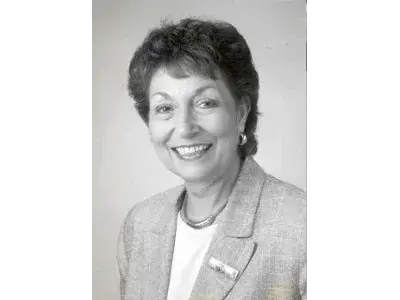
Judith Fingeret Krug was an American librarian, freedom of speech proponent, and critic of censorship. Krug became director of the Office for Intellectual Freedom at the American Library Association in 1967. In 1969, she joined the Freedom to Read Foundation as its executive director. Krug co-founded Banned Books Week in 1982.
