Nigel Lawson Quotes
A flat-rate poll tax would be politically unsustainable; even with a rebate scheme, the package would have an unacceptable impact on certain types of household.
Lawson, Nigel. The View from No. 11: Memoirs of a Tory Radical. Bantam Press, 1992.


Reacting to proposals to reduce the capital gains tax:

The George W. Bush administration when they had a Republican-controlled Congress, had amended the tax laws to treat the earnings of the hedge fund managers differently from people who manage other enterprises in the nation. They gave a group of very wealthy managers whose earnings were already amongst the highest of any managers in the country a huge tax break, while little public attention was paid to the subtlety of complex tax laws. Daschle and others began to draw public attention to the inequity.
This became known as the Buffet Principle—that the very rich should not pay a lower tax rate than the workers who make far less money than they do. President Barack Obama used this principle by name in calling for the 2011 Jobs Act which would eliminate some of the loopholes and exemptions by which the rich could avoid some or much or their tax obligation.

As a result of years of lobbying many vested interests were getting tax exemptions for their activities. Some of the richest corporations and people paid little or no taxes. This was like the old European monarchies where the dukes and nobles got tax exemptions from the king and the middle class and poor people paid a much larger percentage of their income and wealth than did the nobility. Fairness in taxation is very difficult in practice. See {633629}
At the time, he, th richest man in America was paying a lower ta rate than his secretary, his employees and the waiter who served him lunch. The “Buffet Rule” was developed and named for him that said that wealthy people should pay a minimum rate of taxation regardless of tax credits, deductions and other means of tax avoidance.


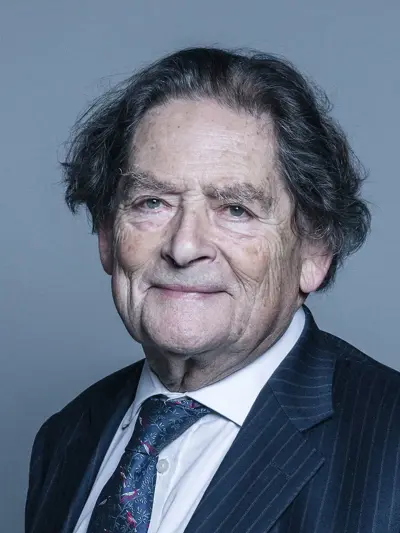
Nigel Lawson, Baron Lawson of Blaby, PC is a British Conservative politician and journalist. He was a Member of Parliament representing the constituency of Blaby from 1974 to 1992, and served in the cabinet of Margaret Thatcher from 1981 to 1989. Prior to entering the Cabinet, he served as the Financial Secretary to the Treasury from May 1979 until his promotion to Secretary of State for Energy. He was appointed as Chancellor of the Exchequer in June 1983, and served until his resignation in October 1989. In both Cabinet posts, Lawson was a key proponent of Thatcher's policies of privatisation of several key industries. Lawson oversaw the sudden deregulation of financial markets in 1986, commonly referred to as the 'Big Bang', which decisively strengthened London's place as a financial capital.
