MARCEL DEAT
(Marcel Déat)
At the time extreme socialist doctrine was that the state should own the factories and the other means of industrial production. The socialists believed that the people through their government had to be able to control the economy and the private owners’ greed would always drive the economy for themselves and not for the society in general. Deal was one of the first who argued that there were other, less draconian modes of economic control like government regulation and central banks. Deat turned traitor during WWII and served in the Vichy Nazi cabinet of Pierre Laval. He was sentenced to death for treason but escaped to Italy where he assumed a new identity and then was sheltered by a right-wing Catholic religious order in the convent of San Vito, near Turin, where he wrote his memoirs and lived undiscovered until his death.
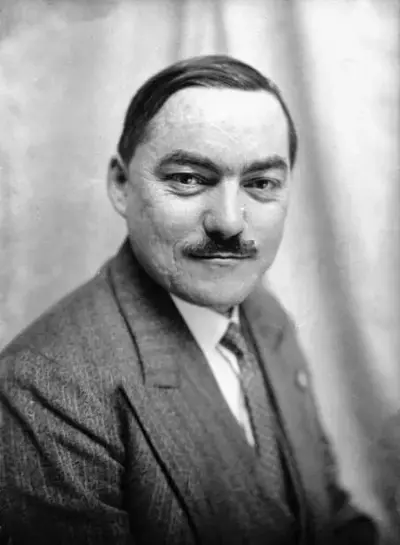
Marcel Déat was a French politician. Initially a socialist and a member of the French Section of the Workers' International (SFIO), he led a breakaway group of right-wing 'Neosocialists' out of the SFIO in 1933. During the occupation of France by Nazi Germany, he founded the collaborationist National Popular Rally (RNP). In 1944, he became Minister of Labour and National Solidarity in Pierre Laval's government in Vichy, before escaping to the Sigmaringen enclave along with Vichy officials after the Allied landings in Normandy. Condemned in absentia for collaborationism, he died while still in hiding in Italy.
