JAMES K. VARDAMAN
(James Kimble Vardaman)
Vardaman, on of America’s worst racists, was one of the main drafters of that constitution. This is an example of why the Voting Rights Act was later needed to unravel a endemic system of keeping African Americans from voting or having any part in politics.
Theodore Roosevelt, became President when President McKinley was assassinated. One thing that he did was to have the Negro leader, Booker T. Washington to lunch at the White House. He had previously had Blacks in his famous Rough Riders. Although Roosevelt had not taken a public position in inter-racial marriage, in the South, and much of rest of the country, accusing someone of favoring miscegenation was as serious an insult as there was. The accusation was used to attack anyone who did not favor segregation, lynching and Jim Crow in the same way that people who favored Medicare or Labor Unions were called “communists”. Cardamon himself was the target of many for his disrespectful and gross description of the president. See Quotation
This quote illustrates the Southern segregationist view in the Jim Crow South.
Mississippi has always had one of the poorer education systems of the nation. But in the early 20th Century, it was far, far behind other states. It was terrible for whites and abysmal and almost non-existent for Blacks. The Federal Government began some limited aid to education and many segregationists of the South feared that if the money were spent to improve Negro education as well as white education, the Southern, segregationist way of life was threatened. Vardaman was absolutely right to worry for what he and the other racists of the South feared most actually came to pass. See {584325} for another segregationists fear of educating African Americans.
This statement was made long after slavery had been abolished and Jim Crow was on the rise in the South.
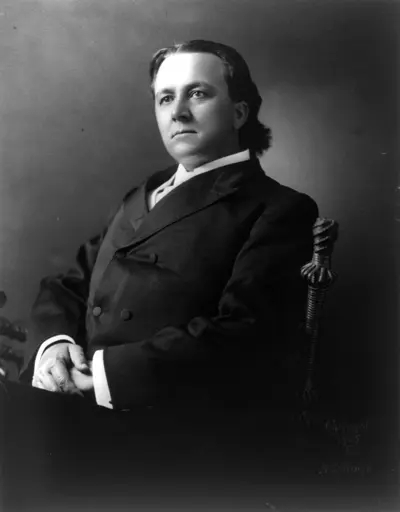
James Kimble Vardaman was an American politician from the U.S. state of Mississippi and was the Governor of Mississippi from 1904 to 1908. A Democrat, Vardaman was elected in 1912 to the United States Senate in the first popular vote for the office, following adoption of the 17th Amendment. He defeated incumbent LeRoy Percy, a member of the planter elite. Vardaman served from 1913 to 1919.
