HENRY MCMAHON
(Sir Vincent Arthur Henry McMahon)
The British were trying to enlist the aid of the Arabs in fighting against the Ottoman Turks who had controlled all of the Middle East in the name of Islam. There was another clause in the letter excepting the areas that Britain had agreements with France and Russia. However, unknown to the Sherif there was the Sykes-Picot treaty which had secret clauses giving Syria, Damascus and other prime areas to the French. The English could not guarantee independence to much of the Arab Mideast.
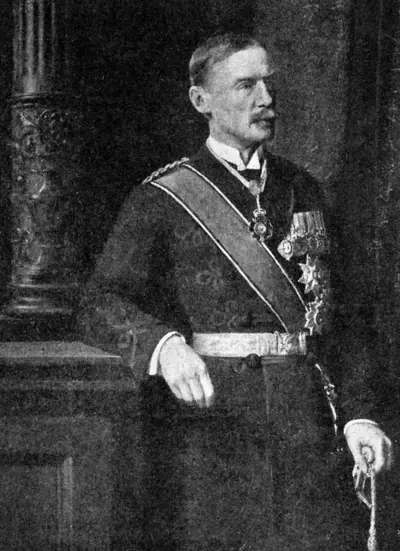
Lieutenant Colonel Sir Vincent Arthur Henry McMahon GCMG GCVO KCIE CSI KStJ was a British Indian Army officer and diplomat who served as the High Commissioner in Egypt from 1915 to 1917. He was also an administrator in the British Raj and served twice as Chief Commissioner of Balochistan. McMahon is best known for the McMahon-Hussein Correspondence with Hussein bin Ali, the McMahon Line between Tibet and India, and the Declaration to the Seven in response to a memorandum written by seven notable Syrians. After the Sykes-Picot Agreement was published by the Bolshevik Russian government in November 1917, McMahon resigned. He also features prominently in Seven Pillars of Wisdom, T.E. Lawrence's account of the Arab Revolt against the Ottoman Empire during World War I.
