CHARLES V, HOLY ROMAN EMPEROR
(Charles V, Carlos II)
This license was issued for Spain in 1517 shortly after he was crowned. This was the beginning of the Slave Trade where Spain shipped kidnapped Africans as slaves to the West Indies.
After abdicating the Spanish throne in 1556, Charles retired to the monastery at Yuste, where he continued to contemplate political questions and serve as the Holy Roman Emperor until his death in 1558.
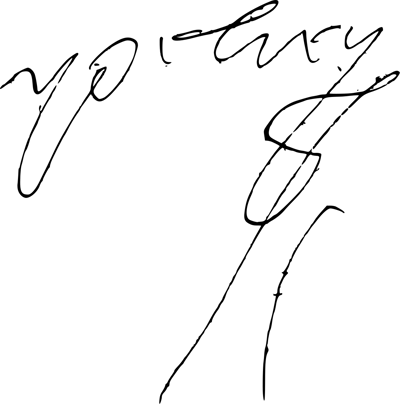
Charles V (Spanish: Carlos; French: Charles; German: Karl; Dutch: Karel; Italian: Carlo) was ruler of both the Spanish Empire from 1516 and the Holy Roman Empire from 1519, as well as of the Habsburg Netherlands from 1506. He voluntarily stepped down from these and other positions by a series of abdications between 1554 and 1556. Through inheritance, he brought together under his rule extensive territories in western, central, and southern Europe, and the Spanish colonies in the Americas and Asia. As a result, his domains spanned nearly four million square kilometers and were the first to be described as "the empire on which the sun never sets.”
