Buddha Quotes
You will not be punished for your anger, you will be punished by your anger.


This proverb only makes sense in the light of understanding the Arab concept of revenge—“blood.” In a rural desert environment where little can be expected of government, the Arabs have developed a law enforcement and peace keeping mechanism which while primitive from modern standards, nevertheless worked to some degree. It is that revenge—“blood” is a moral necessity and obligation of all people, and revenge is not limited by time or to the individuals involved in the first incidence. The immediate family are the first to exact revenge, but the extended family follows and often the entire clan. Sometimes revenge is tribal or even national. Anyone who fails to revenge a member in his group is not only a disgrace, but is a clear and present danger to the group because then they can be attacked with impunity. So revenge is a strong obligation of the group members and blood must be paid with blood no matter how many generations it may take. The only thing that keeps me and my family safe, is the surety what whosoever kills one of us will themselves be killed or if they die a natural death we will take revenge on one of the evildoers relatives and no one is exempt. Crime must never pay!


Johnson was Vice President at the time. What he did not realize at the time was that one of the plotters was supposed to have killed him at the same time as the others, but the assassin got cold feet at the last minute and never entered Johnson’s house.


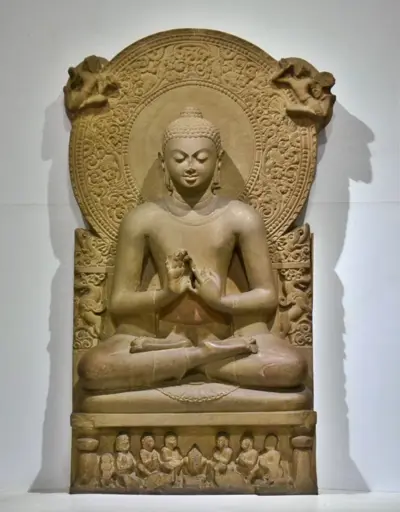
The Buddha (also known as Siddhattha Gotama or Siddhārtha Gautama or Buddha Shakyamuni) was a philosopher, mendicant, meditator, spiritual teacher, and religious leader who lived in what is now Nepal and India (c. 5th to 4th century BCE). He is revered as the founder of the world religion of Buddhism, and recognized by most Buddhist schools as the Enlightened One who is believed to have transcended Karma and escaped the cycle of birth and rebirth. He taught for around 45 years and built a large following, both monastic and lay. His teaching is based on his insight into duḥkha (typically translated as "suffering") and the end of dukkha—the state called Nibbāna or Nirvana.
