Quentin Tarantino Quotes
You should be able to criticize civil servants for what you think is wrongdoing without being painted as a cop-hater. I don't feel the police are all corrupt, however I do feel they are suffering from institutional racism and there needs to be a top-to-bottom examination of the way they practice and the way they criminalize young black and brown males. The fact that they seem to have backed off from it seems to suggest they realize they overreacted on me and it looks bad.
Tarantino, Quentin. Interview by Chris Hayes. All In with Chris Hayes, MSNBC, 4 Nov. 2015.


Brewster was commenting on the murder trial of the Black Panther leader Bobby Seale. At the time, feeling and fear were so great, and the media coverage so intensive, as to make such fair trials difficult.


to the Civil Rights demonstrators Hoover, an inveterate racist himself would not allow FBI agents to protect Civil Rights demonstrators (see {637634}) until he was ordered to by the Attorney General.

Given that the Black population is less than 15 percent of the total, the odds against this occurring by chance is less than 100 million to one. The problem was then very hard to solve in that in most cases the cause was not anti-Black hostility. Rather it was that most police—including some Black police officers—were more fearful for Black males relative to white males and perceived themselves or the public in mortal danger much more often with Blacks than with whites in similar situations. Much of this was a historical societal bias and fear of Black males and much was the result of the disproportionate media depiction of violent Black males.

Instead of standing and saluting as professional athletes have done for decades before games, he kneeled and refused to stand. This caused great public criticism but also some initial support. He was potentially risking his multimillion dollar salary as this technically violated his contract to avoid anything embarrassing to the team. He also donated $1 million to programs in the area that were working to enhance Black/white understanding. Even those who disagreed with his choice of protest defended his right to do so, and after the initial furor, public opinion, while not in agreement about his method, tended to support him for having the courage of his convictions and using his celebrity for a worthy cause. After sensing the public opinion, his team matches his $1 donation. Professional athletes both in the NFL and in other sports then began to do the same as a form of protest for the large, disproportionate, number of black men who were killed, mostly when unarmed, by police. The reference to the “paid leave” was the practice followed by most police departments—usually required by collective bargaining agreements with police unions—of placing police officers accused of committing violations of laws or regulations on paid administrative leave while all the investigations, hearings, and other processes . While this practice protected the rights of those police officers who were not guilty, it ended up paying brutal murders for a some time entire their case was decided or acted upon be the district attorney.


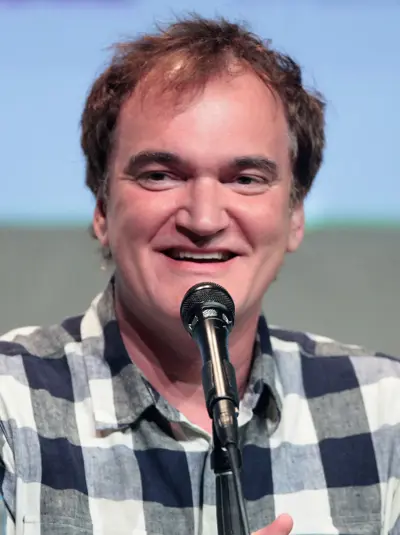
Quentin Jerome Tarantino is an American film director, screenwriter, producer, and actor. His films are characterized by nonlinear storylines, dark humor, aestheticization of violence, extended scenes of dialogue, ensemble casts, references to popular culture and a wide variety of other films, eclectic soundtracks primarily containing songs and score pieces from the 1960s to the 1980s, alternate history, and features of neo-noir film.
