Calvin Coolidge Quotes
You can display no greater wisdom than by resisting proposals for needless legislation. It is much more important to kill bad bills than to pass good ones.
Coolidge, Calvin. Letter to John C. Coolidge. 1910. Quoted in Calvin Coolidge: The Man from Vermont by Claude M. Fuess, Little, Brown and Company, 1940, p. 113.


Professor Neustadt had served on the staff of President Harry S Truman so he had a practical perspective from which he spoke in addition to his scholarship.


1st Baron Verulam


In general, there are so many versions of a bill as it goes through the Congressional process, that the members of Congress do not read each and every draft. Some do not read any of the drafts and leave it to the Committee; others trust their staffs or their party leadership. More often they trust the lobbyists who donate to their campaigns. Sometimes, the bills are so large—many thousands of pages that the members of Congress lose track of all the aspects of the proposed law and only read a few sections in which they may have participated in debate. Often, the only people who read the entire bill are the lobbyists and one or two of committee staff.


His admonition did little good. That Congress passed fewer bills than any other in history.

The Governor was delivering the State of the State message to the legislature. He presented is school aid proposal and it was received with applause.


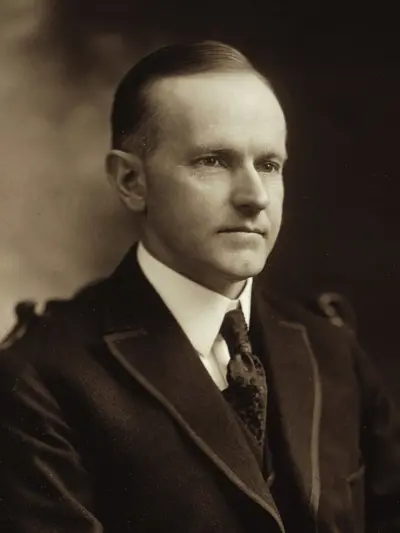
Calvin Coolidge was an American lawyer and politician who served as the 30th president of the United States from 1923 to 1929. A Republican lawyer from New England, born in Vermont, Coolidge worked his way up the ladder of Massachusetts state politics, eventually becoming governor of Massachusetts. His response to the Boston Police Strike of 1919 thrust him into the national spotlight and gave him a reputation as a man of decisive action. The next year, he was elected the 29th vice president of the United States, and he succeeded to the presidency upon the sudden death of Warren G. Harding in 1923. Elected in his own right in 1924, he gained a reputation as a small-government conservative and also as a man who said very little and had a rather dry sense of humor.
