Harry Belafonte Quotes
Without the rebellious heart, without people who understand that there's no sacrifice we can make that is too great to retrieve that which we've lost, we will forever be distracted with possessions and trinkets and title.
Belafonte, Harry, and Michael Shnayerson. My Song: A Memoir. Knopf, 2011.


Song traditionally sung at the end of British Labour Party meetings


Federal authorities had jailed Glover pending his return to his Missouri owner. A local Wisconsin judge issued an order for Glover’s release on the grounds that slavery was illegal in Wisconsin and he was entitled to freedom. The Federal authorities refused to release the escapee. The Wisconsin mob then stormed the jail and broke Glover out. Glover was helped to get to Canada and final freedom by the people of Wisconsin, but Booth was prosecuted and convicted under the Fugitive Slave Act. He was later pardoned. See {587921}.


At the urging of American propaganda, Hungarians revolted against the communist government. Russia responded by sending tanks to put down the rebellion. The assistance that had been implied by the Western information services did not materialize as President Eisenhower did not want to risk war with Russia. The revolution was put down.

Executed by the English for his part in the Easter Uprising.

He was never shot by the people, but executed after a military coup.
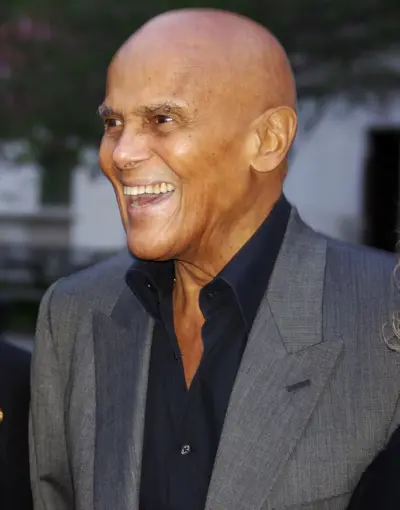
Harry Belafonte is an American singer, songwriter, activist, and actor. One of the most successful Jamaican-American pop stars in history, he was dubbed the "King of Calypso" for popularizing the Trinidadian Caribbean musical style with an international audience in the 1950s. His breakthrough album Calypso (1956) was the first million-selling LP by a single artist. Belafonte is known for his recording of "The Banana Boat Song", with its signature lyric "Day-O". He has recorded and performed in many genres, including blues, folk, gospel, show tunes, and American standards. He has also starred in several films, including Carmen Jones (1954), Island in the Sun (1957), and Odds Against Tomorrow (1959).
