Georgette Heyer Quotes
Will you marry me, vile and abominable girl that you are? Yes, but, mind, it only to save my neck from being wrung!
Heyer, Georgette. The Grand Sophy. Heinemann, 1950.


Referring to Chilean dictator Augusto Pinochet:

Forced marriage upon a girl or woman was very common at the time. In this case, the woman had been repeatedly raped (the sin) and then forced to say the words of the marriage ceremony in front of witnesses. The woman wanted the marriage dissolved, and the man wanted his “wife.” At the time, there was no such thing as divorce. De Ponte ruled that there was no marriage. He was the first medieval jurist to write opinions on cases, thus preserving a record for openness and an instrument to teach others and produce uniformity of decisions and judgments—the basis of most legal systems today. As a result this written case, forced marriage became less frequent in Italy, though it is very prevalent in underdeveloped countries in general and Islamic nations in particular. Even in the United States there are a few cases of forced marriage each year, particularly in religious cults and communities.


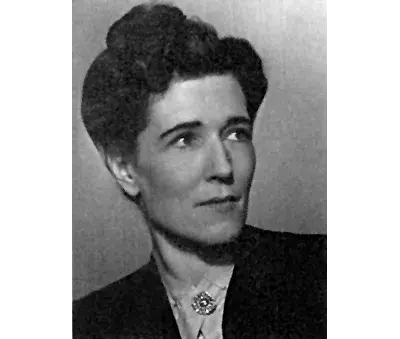
Georgette Heyer was an English novelist and short story writer, in both the historical romance and detective fiction genres. Her writing career began in 1921, when she turned a story for her younger brother into the novel The Black Moth. In 1925 Heyer married George Ronald Rougier, a mining engineer. The couple spent several years living in Tanganyika Territory and Macedonia before returning to England in 1929. After her novel These Old Shades became popular despite its release during the General Strike, Heyer determined that publicity was not necessary for good sales. For the rest of her life, she refused to grant interviews, telling a friend: "My private life concerns no one but myself and my family."
