John Milton Quotes
Who kills a man kills a reasonable creature, God's image; but he who destroys a good book, kills reason itself, kills the image of God, as it were in the eye.
Sourced by: Eigen's Political and Historical Quotations


For many years, the English Customs Service would prevent books and other literature from being brought into the country if the authorities thought that they were seditious or unwholesome. The right to publish and the right to read was stronger for locally produced sedition or pornography than for imported where there were severe restrictions until recently. America had similar restrictions at the time.


It not until July 5, 1727 that another imperial decree was issued Ibrahim Muteferrika establishing the first Turkish printing press.

Arguing agaist libel and sedition prosecutions:

This is another of Heine’s predictions of Nazi Germany. The book burning was followed by the Holocaust. See {622242}.


After being criticized for printing a ship captain's advertisement that excluded clergymen as passengers, local clergy threatened to boycott the Gazette and take no printing jobs to Franklin. Due to the resulting clamor, Franklin published this "apology," i.e. apologetics, a statement of his philosophy as a printer, and concludes by explaining how and why he printed the offending handbill and why he should not be censured for the act.

Ingersoll was considered to be the greatest orator and political thinker of his day, but his overt atheistic views curtailed his elected political career.

Referring to a controversial book, Sur la Creation du Monde by Becourt:
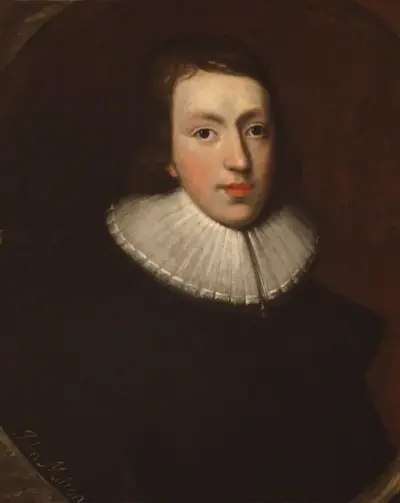
John Milton was an English poet and intellectual who served as a civil servant for the Commonwealth of England under its Council of State and later under Oliver Cromwell. He wrote at a time of religious shifts and political instability, and is best known for his epic poem Paradise Lost (1667). Written in blank verse, Paradise Lost is widely considered to be one of the greatest works of literature ever written.
