Eugene Kennedy Quotes
Wherever you find 'men together' - writing the rules, as at exclusive golf or other men's clubs, businesses, and lodges where they wear elaborate robes and funny hats - women are kept completely outside if possible and, when grudgingly admitted, to highly restricted areas or token status.
Kennedy, Eugene. The Unhealed Wound: The Church and Human Sexuality. St. Martin's Press, 2001, p. 82.


Interestingly, at the time females hade just eclipsed males in attendance at Canadian law schools


She is vehemently opposed to allowing women to serve in the armed forces.


This proverb is a large part of the conceptual basis of the concept of honor killing. It starts with the notion that women are property. However, being animate property women are in the same class as livestock. And if a camel or a donkey get lose and does damage, the owner is responsible. So if a woman does something wrong, it is the father or the husband who is responsible. Since sexual behavior of most kinds is contrary to the Islamic custom and law, any activity in this regard, demonstrates that the father of husband has not been up to his obligations and is therefore dishonored. Therefore, the least he can do, to provide a deterrent to other women is to kill the offending female. Without the concept of property, the entire chain of logic collapses under its own weight.


Referring to women and children


Prevented by the Military from ever taking office


Puglia was an anti feminist. The stoa was the city square where men commonly congregated and discussed politicis.

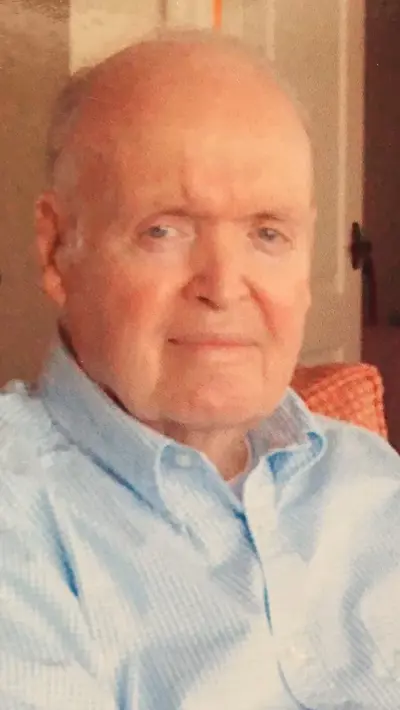
Eugene Cullen Kennedy was a psychologist, award-winning writer, public intellectual, syndicated columnist, and professor emeritus of Loyola University Chicago. A laicized Catholic priest and a long-time observer of the Catholic Church, the work of Eugene Cullen Kennedy spans many genres. He has published over 50 books that include 2 biographies, 3 novels, a play, as well as books on psychology, on the Roman Catholic Church and the relationship between psychology and religion. In the early 1970s, inspired by Vatican II, he emerged as a powerful voice for reform and modernization of the Roman Catholic Church.
