Sarah Jeong Quotes
Wherever information gathers and flows, two predators follow closely behind it: censorship and surveillance. The case of digital money is no exception. Where money becomes a series of signals, it can be censored; where money becomes information, it will inform on you.
Jeong, Sarah. "The Cashless Society." How We Get To Next, 27 Jul. 2016.


There had been a run on many of the banks with more people wanting to withdraw their funds that there were funds to cover the deposits. Some people began hoarding cash and gold, making the situation even worse. Governors asked President Hoover in 1932 to declare a bank holiday to give the banks a chance to get liquid but he refused. So governors and stat legislatures began passing bank holiday legislation closing many banks. When Roosevelt took office he declared a national banking holiday which provided some relieve but the public felt that there was not enough money to go around and the banks were giving what cash they had to their own officers and directors and largest depositors. It appeared that much cash was disappearing from the banks and there was a suspicion that the banks took what cash they had and paid out the deposits of insiders and rich people, bu putting the cash in the insider’s safety deposit boxes. FDR closed that loophole and the bank holiday lasted for a week, after which time the government could stabilize things and the banks were ordered to reopen.

She was the only major Federal Official who did not support the bailouts of the banks and their bondholders and shareholders. Not one of her insured bank depositors lost their insured funds in the financial crisis. She protected them all but would not protect the banks themselves. Other officials did that and the following year the bank executives took the bailout money and paid themselves and others in the bank huge bonuses when the banks lost billions.
_0_thumbnail_47x47.jpg)


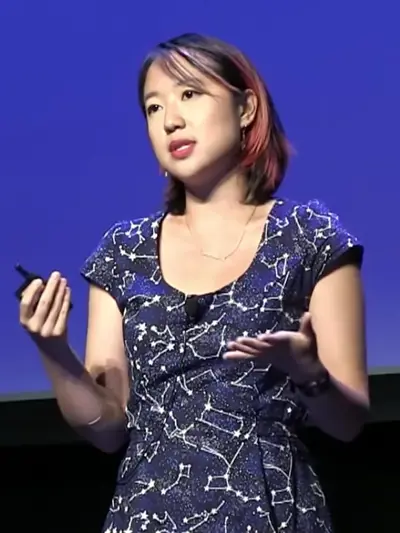
Sarah Jeong (/dʒɒŋ/; born 1988) is an American journalist specializing in information technology law and other technology-related topics. A member of the editorial board of The New York Times from 2018 to 2019, she was formerly a senior writer for The Verge and a contributing editor for Vice Media's Motherboard website. She is the author of The Internet of Garbage, a non-fiction book about online harassment.
