George Washington Quotes
Where is the man to be found who wishes to remain indebted for the defense of his own person and property to the exertions, the bravery, and the blood of others, without making one generous effort to repay the debt of honor and gratitude?
Washington, George. "To the Officers and Soldiers of the Virginia Regiment, 15 August 1756." The Papers of George Washington, Colonial Series, vol. 3, edited by W. W. Abbot, University Press of Virginia, 1984, p. 347.


This passage from Mormon scripture justifies self defense and certain righteous war. It is also used by some Christians to argue that Mormons are not Christians because they do not accept Christ’s directive to “turn the other cheek”.

The Muslims were poised to make the final assault on Constantinople. Religious leaders were whipping up the troops by calling for Jihad and telling them those who fell in battle would enjoy immediate access to Paradise and the virgins that went with Islamic martyrdom. However, the Sultan did not trust religious fervor alone. He said this to the leaders of his soldiers who then spread the word. The City fell the next day. The troops had 3 days of looting, rape and pillage which the Sultan had promised, but there was almost no further damage to the infrastructure other than that caused by the seige cannons.


The historical import of this quotation is that North Carolina was unable to support its troops fighting in Virginia so they resorted to asking for private donations. In addition greedy speculators were offering inflated prices to citizens for needed military supplies and after buying them jacking the price up much higher and selling it to the state who because of the lack of productivity, the men in the field and the Union embargo had very few options to obtain needed supplies.


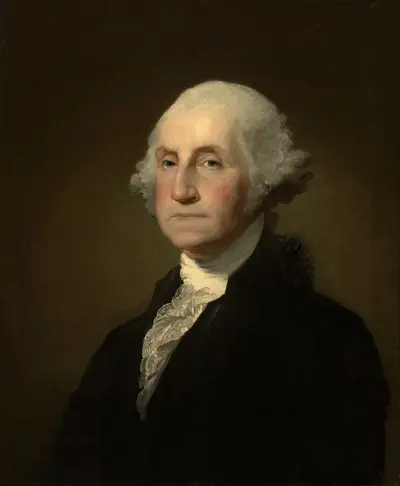
George Washington was the first President of the United States (1789-97), the Commander-in-Chief of the Continental Army during the American Revolutionary War, and one of the Founding Fathers of the United States. He presided over the convention that drafted the current United States Constitution and during his lifetime was called the "father of his country".
