John Wesley Quotes
Where are the Magistracy, the Gentry, the Nobility of the land? Have they no concern for the honour of their nation? How long shall the capital city of Scotland, yea, and the chief street of it, stink worse than a common sewer? Will no lover of his country, or of decency and common sense, find a remedy for this?
John Wesley, 1703-1791, English Cleric and Founder of Methodism, Describing Edinburg, Diary, May 11, 1761
Sourced by: Eigen's Political and Historical Quotations


a lower class Catholic area of Ireland


He was following the lead of Colin Kaepernick—Quote 643305. Instead of standing and saluting as professional athletes have done for decades before games, Kaepernick had kneeled and refused to stand as a protest about the large number of unarmed Black young men who had been killed by police. . This caused great public criticism but also some initial support. Athletes who did this were potentially risking their multimillion dollar salary as this technically violated their contract to avoid anything embarrassing to the team. He also donated $1 million to programs in the area that were working to enhance Black/white understanding. Even those who disagreed with his choice of protest defended his right to do so, and after the initial furor, public opinion, while not in agreement about his method, tended to support him for having the courage of his convictions and using his celebrity for a worthy cause. McCourty and other players also followed Kaepernick’s lead. Soon it became a movement in professional and college athletics.

His vehicle for speaking out was singing and songwriting. In addition he got most of his audiences singing as well, so his social and political messages was multiplied many time.

formerly 2nd Viscount Stansgate


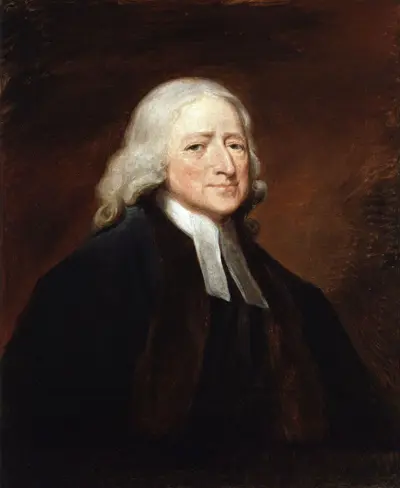
John Wesley was an English cleric, theologian, and evangelist, who was a leader of a revival movement within the Church of England known as Methodism. The societies he founded became the dominant form of the independent Methodist movement that continues to this day.
