Joseph C. Wilson Quotes
When you’re fighting [private] militias, you have to quash them.
Joseph C. Wilson, U. S. Ambassador to Iraq, ABC Capital Sunday, June 22, 2003
Sourced by: Eigen's Political and Historical Quotations


He fought in Algeria and other counterinsurgencies and then studied them. He wrote the classic book on counterinsurgency warfare. After all the mistakes the U. S. made after the successful invasion of Iraq, his book and doctrine were very influential in the change in strategy and tactics that turned the Iraq War in our favor.

Ever since the end of WWII, no major war has been fought where there has been a classic victory where one nation is conquered by another and there is a surrender. Many of the wars have been fought against non-state actors or our war aim is a regime change or the establishment of a more friendly government. We have no desire to occupy the countries generally, and there is often no one “in charge” of the enemy who can even surrender. Bruce was referring to the Iraq War and the Afghanistan War. In each case, despite the lack of a surrender document, it can be said that America won both of these wars initially and then had great trouble with the occupation, the nation building, and keeping the peace. In Iraq and Afghanistan we suffered almost no casualties in the initial invasions. The occupation and “peace” is where we suffered almost all of our casualties.


President Lincoln and Several of the Commanding Union Generals had declared that black slaves were free during the midst of the Civil War under the legal theory that if the slaves were property of the rebels, then they cold be seized as “contraband” and removed from the control of those who had committed treason. The question was, what would happen to those now free Negroes after the war? Many Negro leaders were anxious that if there were surrender, then the status quo ante might prevail and the Negroes—many have who had fought for the Union might be returned to slavery. This speech by the Secretary of State alarmed them further. This is why the Emancipation Proclamation was so important and even that might have been overturned by a subsequent President. This is why Lincoln, the white radical Republicans and the Black leadership placed so much emphasis on passing the 13th Amendment.

Kerry, a decorated, former Navy officer, was then a spokesperson for Vietnam Veterans Against the War.


Some others at the time did not see the different theaters of fighting as separate, but observed one commonality of almost all the violent conflict in the world—–Islamic, fundamentalist, extremism. Hence they viewed it as a world war with a singular enemy. Wars rarely ended at the time because most world opinion was against the Draconian degree of destruction and suffering for a people to be so broken that they will not consider fighting again. Cease fires allow the partied to regroup and ready themselves to continue their struggle.


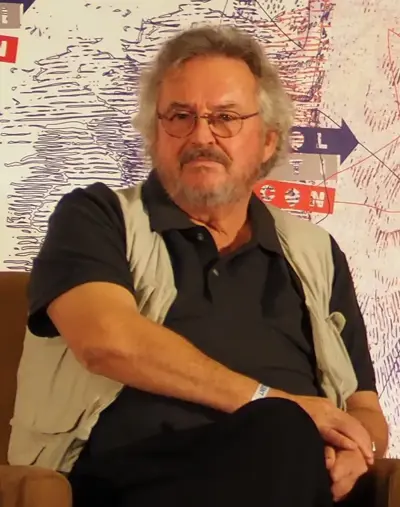
Joseph Charles Wilson IV was an American diplomat who was best known for his 2002 trip to Niger to investigate allegations that Saddam Hussein was attempting to purchase yellowcake uranium; his New York Times op-ed piece, "What I Didn't Find in Africa"; and the subsequent leaking of information pertaining to the identity of his wife Valerie Plame as a CIA officer. He also served as the CEO of a consulting firm he founded, JC Wilson International Ventures, and as the vice chairman of Jarch Capital, LLC.
