Kate Adie Quotes
When you are covering a life-or-death struggle, as British reporters were in 1940, it is legitimate and right to go along with military censorship, and in fact in situations like that there wouldn't be any press without the censorship.
Sidhva, Shiraz. "Kate Adie: The Right to Know." The UNESCO Courier, July 2005.

In modern times, there have been many incidents of members of the press not supporting the current war effort. Sometimes, it is the greed to get a story, and other times, it is to advocate an alternate strategy. Most often it is a belief that in democracy, only a knowledgeable public can govern the government. The administration or general cannot be relied upon to provide accurate information. Many think The Vietnam War started this problem, but it has been ongoing ever since the Revolution. In the War of 1812, with many Americans dying fighting, other Americans were critiquing the war infuriating the military and the President. Similarly, in all other wars including the Civil War. The relationship between Grant and the Press was as vitriolic as that of the Vietnam War. The war where there was the least conflict between the military and the press was WWII where press were given total access to the front lines without the controls that developed later in the Iraq War.


Fleischer had asked that the White House be given advance notice of any stories the New York Times might be covering in the future dealing with national security. As outlandish as this request may seem given the first amendment, it is a good illustration of the level of concern and panic of the George W. Bush White House who saw the situation as so fearful that that they initiated many constitutionally questionable practices. See {642527} for Fleischer’s request. New York Times has had a practice over the years of holding stories then they were persuaded that damage to the nation or to individuals would ensue as the result of publication at that time. However, the government has at times abused this policy as in the Pentagon Papers Case.


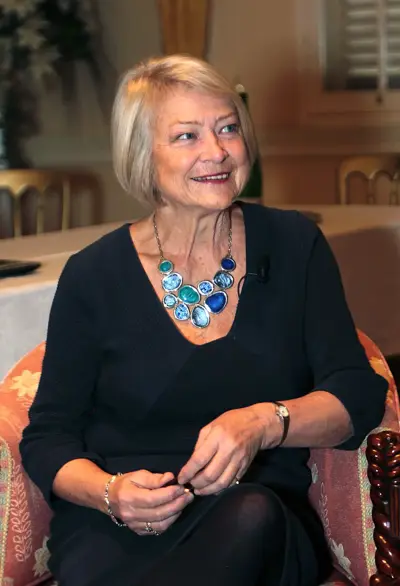
Kathryn Adie CBE DL is an English journalist. She was Chief News Correspondent for BBC News between 1989 and 2003, during which time she reported from war zones around the world.
