Kehinde Wiley Quotes
When we talk about Orientalist painting, we're talking about painting generally from the seventeenth through the nineteenth century, and some would say even into the twentieth, that allows Europe to look at Africa, Asia Minor, or East Asia in a way that's revelatory but also as a place in which you can empty yourself out. A place in which there is no place. It's an emptiness and a location at once.
Wiley, Kehinde. Interview by Chuck Close. BOMB Magazine, no. 101, Fall 2007, p. 26.


The fascist, military clique that ran Japan at the time had no respect for treaties or International Law as understood by most Western nations. China was a land of warlords and corrupt military leaders. There was then an extensive history of Anti-Asian feeling and activity in America. Stimson, made the classic mistake of correctly assessing the Japanese leaders but generalizing from them and some Chinese corrupt military leaders to all Asians and their governments. Indeed, after the American occupation of Japan ending WWII, the Japanese adapted to democracy very well and have been instrumental in making and keeping many international treaties,


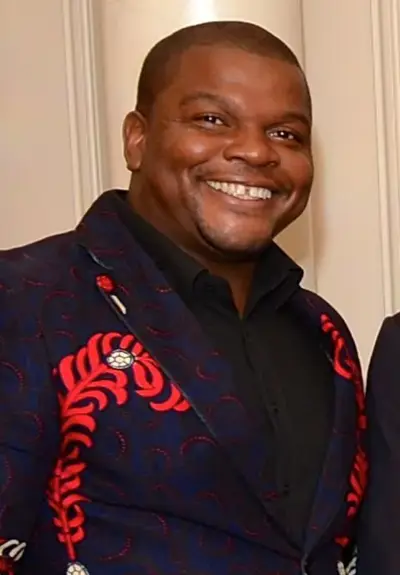
Kehinde Wiley is an American portrait painter based in New York City, who is known for his highly naturalistic paintings of African Americans, frequently referencing the work of Old Master paintings. He was commissioned in 2017 to paint a portrait of former President Barack Obama for the Smithsonian National Portrait Gallery, which has portraits of all previous American presidents. The Columbus Museum of Art, which hosted an exhibition of his work in 2007, describes his work as follows: "Wiley has gained recent acclaim for his heroic portraits which address the image and status of young African-American men in contemporary culture."
