Marquis de Lafayette Quotes
When the government violates the people's rights, insurrection is ... the most sacred of rights and the most indispensable of duties.
Marie Joseph Paul Yves Roch Gilbert du Motier
Marquis de Lafayette, 1757-1834, French Statesman & Major General in the American Revolutionary Continental Army, Member of the French Chamber of Deputies, Speech, French Constituent Assembly, February 20, 1790
Sourced by: Eigen's Political and Historical Quotations


He was writing on behalf of a VA nurse who had been accused of sedition for publicly criticizing the government. See {589454}.


It is ironic that Pakistan, the creation of Jinnah’s efforts, has to a great extent adopted Sharia (Islamic Law) resulting in severe curtailment of freedom of speech and thought. Professors languish in jail for not teaching the history of Muhammed in the orthodox way, people are sentenced to death for what the local mullahs regard as blasphemy—results which from Jinnah’s point of view were terrible.


This constitution, 13 years later, became the basis for the national Batavian Constitution.


This quotation shows that the dissent leading to the American Revolution did not emerge suddenly in 1776 after the Battle of Bunker Hill. Dissent, sedition and even violence was documented here in 1774. Salem at the time was the second largest port in the colony and the customs tax collectors—Loyalist Americans—were run out of Salem.


This was written during the George W. Bush Administration where the reaction to 9-11 was to curtail some civil rights and constitutional protections in favor of more national security. Bush was not the only President who eroded civil rights in a fear for National Security. FDR interned the Japanese Americans. Woodrow Wilson jailed pacifists who protested against the draft. John Adams passed the infamous Alien & Sedition Acts.

He was trying to justify the arrest, torture and mistreatment of 15 trade union activists in Zimbabwe, and in the process showed himself for the brutal dictator that he had become.


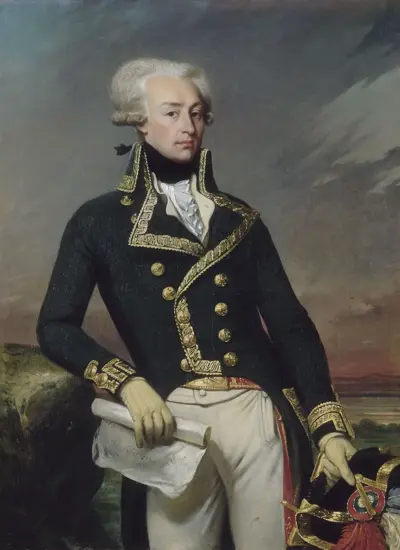
Marie-Joseph Paul Yves Roch Gilbert du Motier, Marquis de La Fayette, known in the United States as Lafayette (/ˌlɑːfiːˈɛt, ˌlæf-/, French: [lafajɛt]), was a French aristocrat and military officer who fought in the American Revolutionary War, commanding American troops in several battles, including the siege of Yorktown. After returning to France, he was a key figure in the French Revolution of 1789 and the July Revolution of 1830. He has been considered a national hero in both countries.
