Wislawa Szymborska Quotes
When I was young I had a moment of believing in the Communist doctrine. I wanted to save the world through Communism. Quite soon I understood that it doesn't work, but I've never pretended it didn't happen to me.


The PBSUCCESS unit was attempting to thwart the Communist movements in Guatemala.


He was one of the first leftists to point out and condemns the Russian Stalinist imperialism. Official communist doctrine stated that only capitalist nations could be imperialists.

Seeger’s admission was typical of tens of thousands of Americans who had become disillusioned with the fairness, equity, and effectiveness of capitalism during the depression. They were easy prey for Communist propaganda which pointed out all the problems in American society from legal racial discrimination to lack of a social safety net while at the same time lying about the Russian achievements and hiding the horrible abuses of human rights—especially the political murders of millions of people. Then the truth about Russia emerged, Seeger and so many others abandoned the Communist Party as at the same time America was improving its society and beginning to try and deal with the great problem that had plagued America from its inception—racism and slavery.

Harriman at that time was the United States Ambassador to Russia and one of President Roosevelt’s closest advisers. There were those who claimed that the Roosevelt administration was very naïve about the potential danger of Stalin. This statement as well as others like it, show that the administration was not so naïve and ignorant.

When the Trs Psrty snd other extrme conservatives gsined contol of the Republican Party and moved the party far to the right, the Democratic Party, began shifting to the left. The centeriists of both parties began to be ignored as politicians of each party stove to avoid attacks from their extremes. The result were centerists who left their old party loyalties becomming indeprndents or joininng the other party.


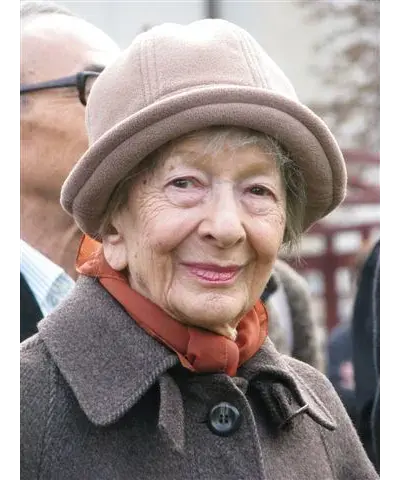
Maria Wisława Anna Szymborska was a Polish poet, essayist, translator and recipient of the 1996 Nobel Prize in Literature. Born in Prowent, which has since become part of Kórnik, she later resided in Kraków until the end of her life. In Poland, Szymborska's books have reached sales rivaling prominent prose authors', though she wrote in a poem, "Some Like Poetry" ("Niektórzy lubią poezję"), that "perhaps" two in a thousand people like poetry.
