Bret Stephens Quotes
When George W. Bush decided to save the American position in Iraq by going against the advice of all of his wise men, of Jim Baker and the whole Iraq Study Group, and 90% of his administration, that was George W. Bush's decision. So we have to bear in mind that this isn't an administration we're electing. It's a person that we are electing.
Stephens, Bret. Interview by Charlie Rose. Charlie Rose, PBS, 2016.

Galloway, a witness before the committee who had always criticized the American and British Policy of Iraq invasion to eliminate weapons of mass destruction, had also predicted the insurrection and resistance to the American and British occupation had been attacked by Coleman for taking campaign contributions from British Islamic terrorists—see {616260}. Coleman expected the typical American hearing behavior where Senators can berate witnesses who generally behave docilely in defending themselves. He was not used to the English style of political debate which is much more aggressive and Colemen was nonplussed when Galloway came up with this put down.

The three leading “hawks” of the administration and the architects of the Iraq War. However, not only had none of them ever been in combat, but none had ever served on active duty in the military. None of the three had been drafted or enlisted during the Vietnam war except for Bush who was accepted into the Texas Air National Guard; parts of his service record has been last, but he never was outside the United States. Murtha, John Kerry, John McCain and many of the administration's critics were all decorated war heroes who had been wounded in action.

Bush assumes that this meant that all the people agreed with his decision to invade Iraq. While that might have been the case, there are other possibilities that many historians, journalists and other analysts have suggested. The Vice President, and his personal staff, were known to have visited them all and lobbied for the invasion. They pressured several of them who may have not wanted to run afoul of what seemed to be the most powerful vice president in American History. Or they may have thought that the decision had already been made, and it was time to join together and loyally support the policy decision that had been made. There were few strong independent thinkers in the top tier as Bush was not intellectually or emotionally inclined to have open staff arguments to work out a policy or very strong advisors with different points of view. The strongest of the advisors like Secretary of State Colin Powell had been lied to and persuaded there was “clear evidence” that Iraq was about to deploy a nuclear weapon. This made Powell an advocate. The intelligence given to Powell and the others was wrong and much was fabricated or obtained from an unreliable source who had been pushed as trustworthy by the Vice President. The CIA Director, had told those all that the evidence and case for the fact that Iraq was developing and close to deploying a nuclear weapon was a “slam dunk”.


John Foster Dulles was the Secretary of State and brother Allen Dulles was head of the CIA.


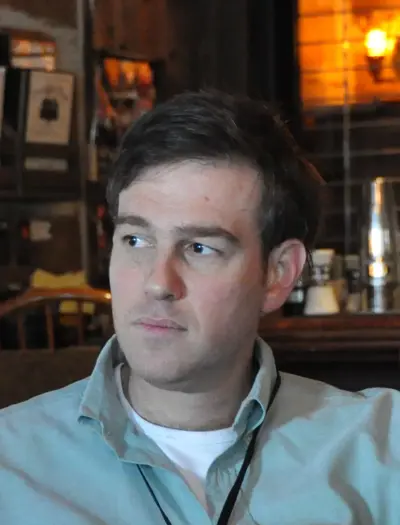
Bret Louis Stephens is a Pulitzer Prize-winning American conservative journalist, editor, and columnist. He began working as an opinion columnist for The New York Times in April 2017 and as a senior contributor to NBC News in June 2017.
