Walter Raleigh Quotes
When any country overlaid by a multitude which live upon it, there is a natural necessity to disburden itself and lay the load upon others.
Walter Raleigh, 1552-1618, English Navigator, Historian and Colonial Governor, A Discourse on the Original and Fundamental Cause of Natural, Necessary and Unnatural War
Sourced by: Eigen's Political and Historical Quotations


This quotation illustrates the dire economic straights the new country was in. There was no money to pay the troops, but worse, not enough money to provide food and clothing for even those patriots who would forgo their pay. It illustrates the critical importance of France in the success of the American Revolution.

The Dutch King’s brother, Emperor Napoleon Bonaparte Bonaparte, insisted on Dutch contributions to his war effort in the way of Dutch troops, ships and provisions. Yet there was not enough possible revenue to pay for such a war effort. Gogel was able to introduce efficiencies in many areas but still more taxes were needed. War expenditures took all the resources of the state and progress stopped and the kingdom was almost destroyed by the economic crisis.


_0_thumbnail_47x47.jpg "Statue of Robert Hall in Leicester.")
Sometimes it may be BOTH parties who are guilty of injustice.


Although this was written in 1924, it could have been written at most times since where the national debt was substantial.
A negotiated end to the war made sense for both sides. The English budget was in terrible shape with the huge costs of dealing with Napoleon and although Liverpool wanted to teach the Americans a lesson, he could not get the money to finance it. The Americans could prevent British conquest but they could not defeat the British overall or eject them from the continent.

Although Great Britain had abolished slavery, British economic interests during the Civil War suffered because of the northern blockade of the South. Much political opinion in England was hostile to the blockade policies of the Union. Bright, a great admirer and supporter of the United Sates and the Union cause was concerned that the United States might drift into War with Great Britain. His letter to Senator Sumner was written with the understanding that it would be in shared with President Lincoln, and it was actually read at a cabinet meeting.


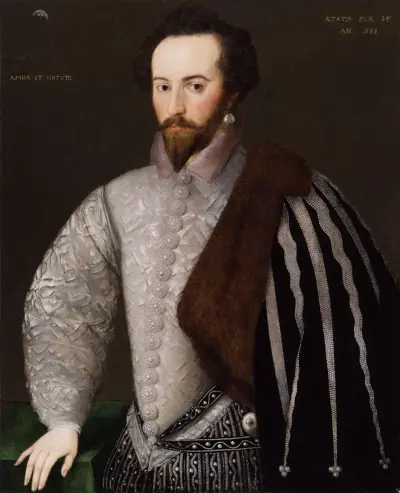
Sir Walter Raleigh, also spelled Ralegh, was an English statesman, soldier, spy, writer, poet, explorer, and landed gentleman. One of the most notable figures of the Elizabethan era, he played a leading part in English colonisation of North America, suppressed rebellion in Ireland, helped defend England during the Spanish Armada and held political positions under Elizabeth I.
