Saadi Quotes
When a mean wretch cannot vie with another in virtue, out of his wickedness he begins to slander. The abject envious wretch will slander the virtuous man when absent, but when brought face to face his loquacious tongue becomes dumb.
Saadi. The Gulistan, or Rose Garden. Translated by Francis Gladwin, Kingsbury, Parbury, & Allen, 1822, p. 283.


Calumnaire fortiter, et aliquid adhaerebit. See Pierre Beaumarchais for a later version of this political tactic.


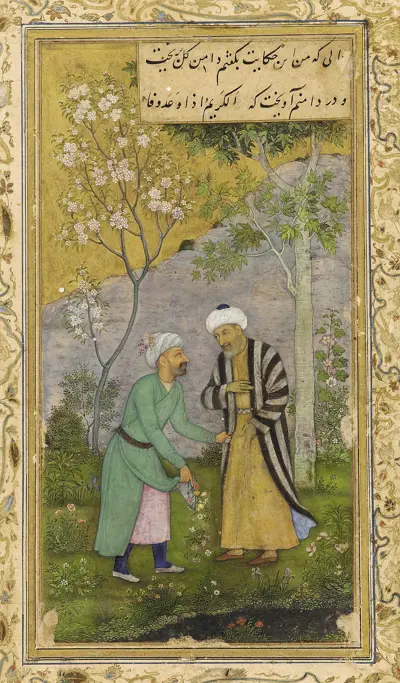
Abū-Muhammad Muslih al-Dīn bin Abdallāh Shīrāzī (Persian: ابومحمّد مصلحالدین بن عبدالله شیرازی), better known by his pen name Saadi (/ˈsɑːdi/; Persian: سعدی, romanized: Saʿdī, IPA: [sæʔˈdiː]), also known as Sadi of Shiraz (سعدی شیرازی, Saʿdī Shīrāzī; born 1210; died 1291 or 1292), was a major Persian poet and prose writer of the medieval period. He is recognized for the quality of his writings and for the depth of his social and moral thoughts. Saadi is widely recognized as one of the greatest poets of the classical literary tradition, earning him the nickname "The Master of Speech" or "The Wordsmith" (استاد سخن ostâd-e soxan) or simply "Master" (استاد ostâd) among Persian scholars. He has been quoted in the Western traditions as well. Bustan has been ranked as one of the 100 greatest books of all time by The Guardian.
