Erich von Falkenhayn Quotes
What you have to deal with … is a determined attempt by Press agitation and abuse to exercise an unlawful influence on the decisions of the government authorities.
A German Lieutenant in occupied Alsace-Lorraine told new recruits that if a local insulted them and they stabbed him (with a sword) they would not only not be punished but would receive a bonus of 10 marks. The newspapers carried the story the world over and huge public pressure was brought upon the government and the army to punish the officer. The very concept of the press and the public being a factor was totally offensive to the General and many other right-wingers who saw that as the problem, not the Lieutenant’s behavior or the policy of the army.
Erich von Falkenhayn, 1861-1922, German General and Minister of War, Speech to the Reichstag, 1913
Sourced by: Eigen's Political and Historical Quotations

For a similar sentiment, see Eric Cantona {276121}


He was commenting on the new Donald Trump's attacks onthe media.

Otehr members of the Trump staff then started to echo the notion and it became common in Trumpian circles.


This quotation Incorporates the famous observation of Joseph de Maistre that "every nation gets the government it deserves." {606135}.


The American Press was actually split and there were Tory and revolutionary editors. However, like almost all politicians of all times in time of crisis, he saw the press as inaccurate and corrupt and an unfortunate “appendage of public liberty.”


The story had been placed by Republican dirty tricksters throughout the press. Reston, then the editor of the New York Times, was totally uninterested in whether or not the story was true. He, in contrast to some other NYT staff was not a JFK enthusiast in general. but saw such material as not news and certainly not “fit to print.”—the newspaper’s oldest journalistic standard He removed the reporter from the assignment but in such a climate, it is easy to see in retrospect why the JFK sex scandals were not covered by the press.


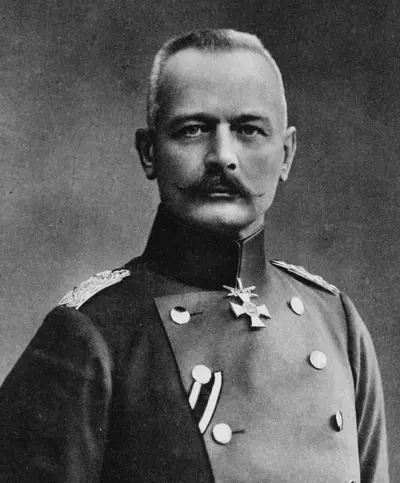
General Erich Georg Sebastian Anton von Falkenhayn was the second Chief of the German General Staff of the First World War from September 1914 until 29 August 1916. He was removed on 29 August 1916 after the failure at the Battle of Verdun, the opening of the Battle of the Somme, the Brusilov Offensive and the entry of Romania into the war on the Allied side undid his strategy to end the war before 1917. He was later given important field commands in Romania and Syria. His reputation as a war leader was attacked in Germany during and after the war, especially by the faction which supported Paul von Hindenburg. Falkenhayn held that Germany could not win the war by a decisive battle but would have to reach a compromise peace; his enemies said he lacked the resolve necessary to win a decisive victory. Falkenhayn's relations with the Chancellor Theobald von Bethmann-Hollweg were troubled and undercut Falkenhayn's plans.
