Thomas Carlyle Quotes

The Treasure Officials had a reason for bailing out the bondholders. They were afraid that if bank bondholders and owners took big losses at that time, it would “spook” the financial markets and cause even worse panics than then existed. The political pressure would be to bail out the financial institutions which would have lost much more money after the “spooking”. So it was, they argued, less cost to the taxpayer to bail out the bondholders at the beginning and save the bailout costs later. Some argued that there was no reason to bail out the richest people in America if they lose a lot of money so it is not an issue of bail out now or later. History shoed that the financial leaders did have the clout to force the government to bail them out however. There are some who wanted to have a showdown with the wealth banks and other financial institutions and let them go bankrupt and then the economy would right itself. No one really knows for sure which is why Economics is called the “dismal science”—See {596873}.


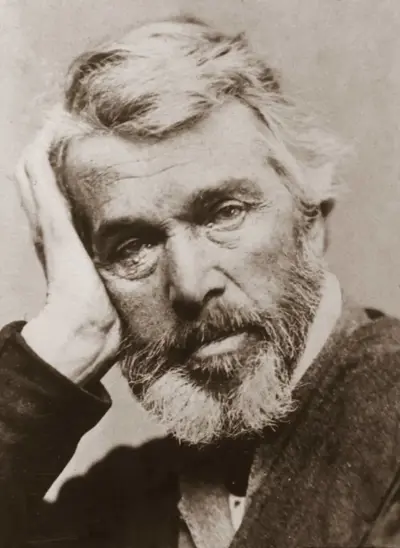
- Born: December 4, 1795
- Died: February 5, 1881
- Nationality: Scottish
- Profession: Historian, Satirist, Essayist, Translator, Mathematician
Thomas Carlyle was a Scottish historian, satirical writer, essayist, translator, philosopher, mathematician, and teacher. In his book On Heroes, Hero-Worship, and The Heroic in History (1841), he argued that the actions of the "Great Man" play a key role in history, claiming that "the history of the world is but the biography of great men". Other major works include The French Revolution: A History, 3 vols (1837) and The History of Friedrich II of Prussia, Called Frederick the Great, 6 vols (1858–65).
