Cesare Beccaria Quotes
What right, then, but that of power, can authorize the punishment of a citizen so long as there remains any doubt of his guilt? This dilemma is frequent. Either he is guilty, or not guilty. If guilty, he should only suffer the punishment ordained by the laws, and torture becomes useless, as his confession is unnecessary. If he be not guilty, you torture the innocent; for, in the eye of the law, every man is innocent whose crime has not been proved
Cesare Beccaria, 1738-1794, Italian Philosopher, Essay on Crimes and Punishments
Sourced by: Eigen's Political and Historical Quotations


It is surprising that these ideas would come from one of the most autocratic powerful monarch in the world at the time. However there were many very liberal influences on her from Europe. This set of proposals she even sent to Voltaire to get his feedback and criticism.


Reaction to the indictments of several of his political associates who were subsequently convicted after this statement:


This is one of the many statements of President Bush that contributed to his reputation as a polarizing politician. His supporters turned to this statement to illustrate that Bush was a supporter of the Constitution and civil liberties by urging the nation not to engage in vigilantism or give vent to their stereotypic views of minorities. Detractors took the same statement as a perfect example of Bush’s assault on Constitutional freedoms. Law enforcement does not determine guilt or innocence in our system. Police and prosecutors in America do not determine guilt or innocence; juries do. They argue that the Bush administration law enforcement policies are designed to have law enforcement usurp more and more of this facet of criminal justice.


Charles I was tried by Parliament but at the time there was the concept of Royal Impunity and there was no existing crime that he could be charged with despite the murder of many of his citizens. Cooke established the legal precedent making Tyranny a crime. See {624032}.


This is the classic argument given by those who would deny a defendant the Constitutional protection against self-incrimination. The belief that an innocent man has nothing to fear from the police is refuted by the many cases of innocent men being convicted by evidence they have given in the belief that they were innocent, and served long jail sentences only to later be proved by DNA evidence that they could not possibly have been guilty. Since Nott’s day, society has not only found many cases where honest error was made by the police or prosecutors, but many where there was venal prosecutorial misconduct and defendants were jailed even though the authorities were aware of evidence of innocence and kept it secret. There have been a number of these cases where a defendant was on death row and about to be executed when it was found he was innocent. Probably there have been men wrongly executed. See {629444} for a probable example.


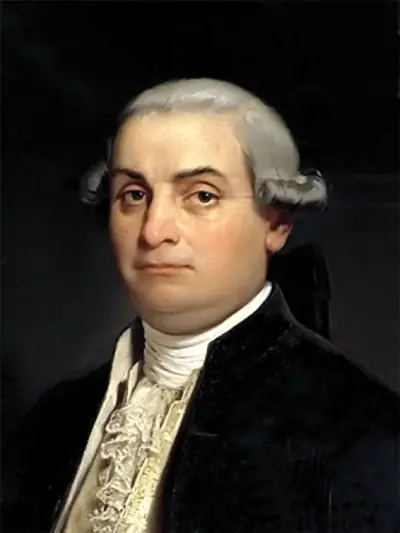
Cesare Bonesana di Beccaria, Marquis of Gualdrasco and Villareggio was an Italian criminologist, jurist, philosopher, and politician, who is widely considered one of the greatest thinkers of the Age of Enlightenment. He is well remembered for his treatise On Crimes and Punishments (1764), which condemned torture and the death penalty, and was a founding work in the field of penology and the Classical School of criminology. Beccaria is considered the father of modern criminal law and the father of criminal justice.
