Marquis de Lafayette Quotes
What most charms me [in America] is, that all the citizens are brethren.
Marie Joseph Paul Yves Roch Gilbert du Motier
Marquis de Lafayette, 1757-1834, French Statesman & Major General in the American Revolutionary Continental Army, Member of the French Chamber of Deputies, Letter to his wife, June 20, 1777
Sourced by: Eigen's Political and Historical Quotations

President Benjamin Harrison and Congress proclaimed that October 31, 1892 be a national celebration of the 400th Anniversary of Columbus landing in America. Bellamy represented a juvenile weekly publication and was named chairman of the committee to conduct the celebration. A first draft of the pledge was written by James B. Upham, a staff member of the publication. The words "under God" were added in 1952 by an Act of Congress. The original had “to my flag.” The pledge was first used publicly at the Chicago World’s Fair on October 21, 1892. It was not endorsed by Congress until 1942. It is officially recognized as law in 36 United State Code 172.


See the related quote for the full quote in context.

Samuel Langhorne Clemens, 1835-1910

His first public speech after being elected President


There were few reformers who had such a long, extensive, and activist career in both England and India. She began her career as a minister’s wife but was literally turned out of her house by her husband for whom she was not religiously orthodox enough. This started her religious activism which ended with her as an atheist. She led a match-girl’s strike, founded a Hindu college in India, and was even arrested for pornography in England when she wrote a book advocating birth control. She is on many lists of “Great Indians” along with Gandhi and Nehru. She was Jiddu Krishnamurti’s teacher.


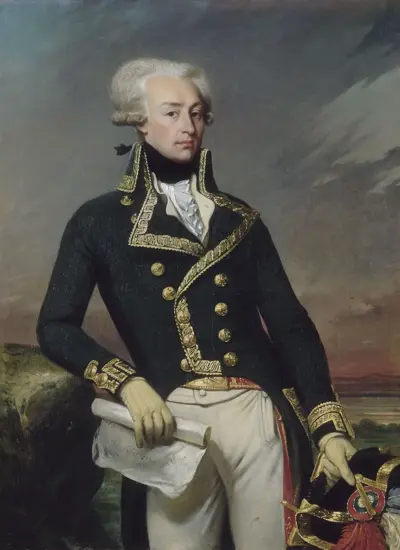
Marie-Joseph Paul Yves Roch Gilbert du Motier, Marquis de La Fayette, known in the United States as Lafayette (/ˌlɑːfiːˈɛt, ˌlæf-/, French: [lafajɛt]), was a French aristocrat and military officer who fought in the American Revolutionary War, commanding American troops in several battles, including the siege of Yorktown. After returning to France, he was a key figure in the French Revolution of 1789 and the July Revolution of 1830. He has been considered a national hero in both countries.
