Theodore Schultz Quotes
What many economists fail to understand is that poor people are no less concerned about improving their lot and that of their children than rich people are.
Schultz, Theodore W. "The Economics of Being Poor." Journal of Political Economy, vol. 88, no. 4, University of Chicago Press, Aug. 1980, p. 640.


The “War on Poverty” had an intellectual precursor.

One dramatic example of this principle is that India at the end of the 20th century had more billionaires than the United States did.


profit making schools of higher education The latter years of the 20th century saw a large increase in the number of proprietary, profit making colleges and other institutions of higher education. These were able to utilize the Federal student loan programs. However, many were fraudulent rip-offs. Most were unaccredited. The average proprietary school obtained more federal student loan money per student than non-profit schools {639817}, and did not train their students as well. A smaller percentage of their students get their degrees and find jobs. When they do obtain employment they make less money. Congressional pressure, induced by heavy lobbying, stopped Department of Education efforts to make schools with poor graduation or employment rates ineligible for use of Student Loan Programs.


This principle has been referred to as The Great Gatsby Curve. See {630975}.


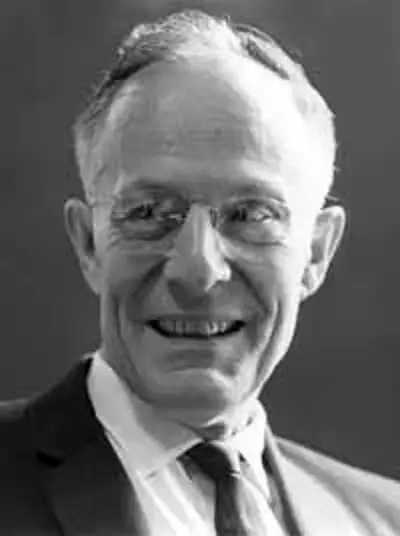
Theodore William Schultz was an American economist and chairman of the University of Chicago Department of Economics. Schultz rose to national prominence after winning the 1979 Nobel Memorial Prize in Economic Sciences.
