Gunter Grass Quotes
What makes books - and with them writers - so dangerous that church and state, politburos and the mass media feel the need to oppose them?
Grass, Günter. "Nobel Lecture: To Be Continued..." NobelPrize.org, Nobel Prize Outreach AB, 7 Dec. 1999.


For many years, the English Customs Service would prevent books and other literature from being brought into the country if the authorities thought that they were seditious or unwholesome. The right to publish and the right to read was stronger for locally produced sedition or pornography than for imported where there were severe restrictions until recently. America had similar restrictions at the time.

The editorial was defending the two published cartoons depicting the Muslim Prophet Muhammad which were offensive to Muslims throughout the world.


She had started this newspapers after the premises of her last paper had been ransacked by rowdies insulted by the fact that she wrote of things that were considered private. In one instance a prominent slave owner who had business in town brought a slave servant who gave birth to a child in St. Cloud. The owner sent the mother and child to his Southern home and Swisshelm wrote an editorial and claimed he was a felon who kidnapped a child in Minnesota and transported her into slavery in the South.

Spinoza’s ideas were considered so radical and dangerous that he was the only man in history who was excommunicated by the Catholics, the Jews and the Muslims. However, we see in Spinoza the observations and foundations of what would become American and then international views of human rights.

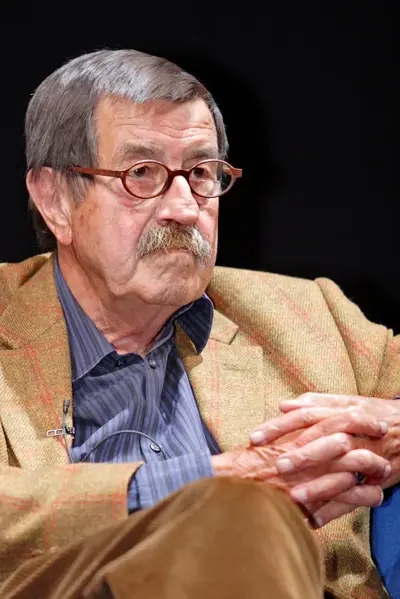
Günter Wilhelm Grass was a German novelist, poet, playwright, illustrator, graphic artist, sculptor, and recipient of the 1999 Nobel Prize in Literature.
