Plautus Quotes
What is thine is mine, and all mine is thine.
[Lat., Quod tuum'st meum'st; omne meum est autem tuum.]
Plautus, Titus Maccius. The Comedies of Plautus. Translated by Henry Thomas Riley, vol. 1, George Bell and Sons, 1894, p. 23.


Spinoza was one of the most feared intellectuals in human history—feared, that is, by the established power structures. He is the only known person who was excommunicated by the Catholics, the Jews and the Muslims—all were forbidden to read his works. He was the enemy of authority and advocated personal reason as the guide for men.


The Diggers were a religious-economic movement that even today would be considered very radical. They advocated the right of the poor to go onto public lands and farm them—thus the name “Diggers.” Beyond their opposition to the private ownership of land to the exclusion of the poor, Winstanley and the Diggers promulgated another very modern doctrine: That the poor should take the responsibility and have the right to determinine how the society should provide for the poor. A version of this became one of the Mottos of the Poverty Program of 1964. See {616966}.


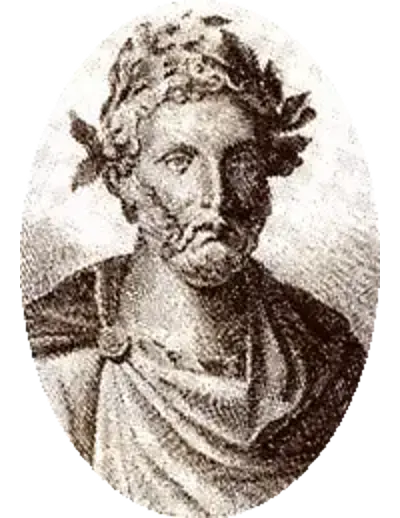
Titus Maccius Plautus (/ˈplɔːtəs/; c. 254 – 184 BC), commonly known as Plautus, was a Roman playwright of the Old Latin period. His comedies are the earliest Latin literary works to have survived in their entirety. He wrote Palliata comoedia, the genre devised by the innovator of Latin literature, Livius Andronicus. The word Plautine /ˈplɔːtaɪn/ refers to both Plautus's own works and works similar to or influenced by his.
