Emmeline Pankhurst Quotes
What is the use of fighting for the vote if we do not have a country to vote in? With that patriotism that has nerved women to endure torture in prison for the national good, we ardently desire that our country shall be victorious.
Pankhurst, Emmeline. Speech at London Opera House. 8 Sept. 1914.


The editorial was in support of women’s suffrage—the right to vote which at the time women did not have in Britain. Women were very active in protests and demonstrations. Tactics sometimes involved civil disobedience and chaining themselves to public buildings. It was the civil disobedience and disruptions that the newspaper referred to as the “follies and excesses.” In retrospect today, it is amazing how threatened the society felt and how they reacted to the “threat” of females voting. It does however give us a perspective on those contemporary societies which restrict women’s voting rights.


Although born and educated in the United States, she lived mostly in England and was politically active there.


“Patriot” meant someone who was a supporter of anti-monarchy dissidents and rebels. It was more than a good citizen. The prisoners were incarcerated because they had been accused of supporting the monarchy early in or after the French Revolution.

First female presidential candidate & first divorcee to run for that office. The half to which she was referring were the females, who by many narrow laws were unable to participate in the intellectual and political life of the country. At the time, women could not even vote.

Some men in the audience hissed as she took the podium.
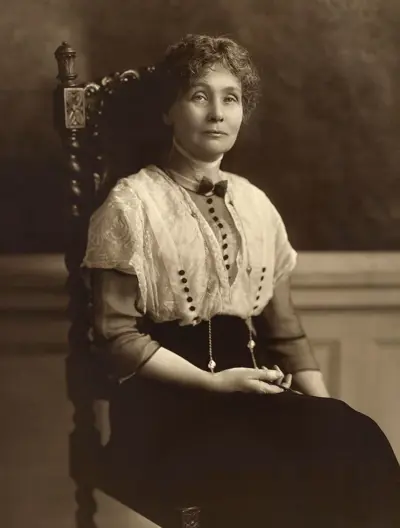
Emmeline Pankhurst was a British political activist. She is best remembered for organizing the UK suffragette movement and helping women win the right to vote. In 1999, Time named her as one of the 100 Most Important People of the 20th Century, stating that "she shaped an idea of objects for our time" and "shook society into a new pattern from which there could be no going back". She was widely criticised for her militant tactics, and historians disagree about their effectiveness, but her work is recognised as a crucial element in achieving women's suffrage in the United Kingdom.
