David Hume Quotes
Were our narrow and malignant politics [protectionism] to meet with success, we should reduce all our neighboring nations to the same state of sloth and ignorance that prevails in Morocco and the coast of Barbary.
David Hume, 1711-1776, Scottish Philosopher & Historian, Of the Jealousy of Trade, 1742
Sourced by: Eigen's Political and Historical Quotations


It was a classic economic protectionist practice to for an imperial nation to sell manufactured goods to its colonies, but not to allow the colonies to sell high labor value goods back to the mother country. The early American colonies were victims of this, and Brandgee was the leader of the protectionist wing of the Republican party. See {640519} for William Howard Taft’s opinion of him.


In this case the tariffs were imposed not to protect national industries but to simply raise revenue. In the early years of the United States, almost all of the Federal Revenue was raised this way.

In England at the time, the liberals were for free trade and the conservatives against. In both England and America both liberals and conservatives have flip flopped their roles in foreign trade several times. Free trade is a two edged sword; it aids domestic growth, employment and prosperity in some cases and hurts them on others. And there are always winners and losers for each example of free trade within any country. The result is no long term commitment and much flip flopping.


Turgot was one of the most advanced economic thinkers in Europe and realized, even before most of the Americans, that by freeing itself England, that the Americans would be forced to become free traders and that in turn would make America a major Economic power despite the fact that American economic policy over the years vacillated between protectionism and free trade.


This was one of the first proposals for a type of world government. Ironically, Angell, and English politician, was suggesting that the United States take the lead in his ‘new world order” and be the principle controlling factor. This was before the League of Nations and the United Nations.

This historical quotation shows us that the nation under Republican control at the end of the 19th century was highly protectionist. In addition. It shows us how a party can flip flop on its most cherished principles. A century later, free trade was the cornerstone of Republican philosophy and opponents who held to the Republican 19th century principles were accused of being detriments to the American growth and economic system.

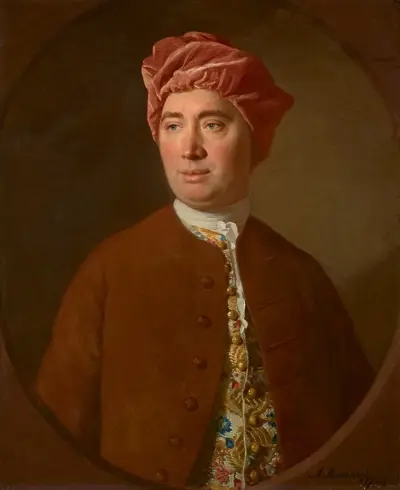
David Hume, Hume strove to create a naturalistic science of man that examined the psychological basis of human nature. Hume argued against the existence of innate ideas, positing that all human knowledge derives solely from experience. This places him with Francis Bacon, Thomas Hobbes, John Locke, and George Berkeley as a British Empiricist.
