Frank Hsieh Quotes
We [Taiwan and Mainland China] may not share the same history, but we could have a common destiny and future.
Frank Hsieh, Premier of the Republic of China (Taiwan), Quoted in "Hsieh wraps up cross-strait forum in HK", The Taipei Times, July 1, 2013
Sourced by: Eigen's Political and Historical Quotations

For over 50 years both the United States and Cuba had carried grudges about the Bay of Pigs, the boycott on purcuase of life saving medicine and U. S. attempts to assassiate Fidel Castro on the Cuban site, and the expropriation of Americans' Coban Prepoert, the poor record on human rights, the Mariel Boat Lift, and the harboring of American criminals for the United States. The policy positions held by the two nations had not produced anything constructive so the parties agreed to try and build closer ties. In just two years of a limited reproachment some progress had been made and Prices point about getting beyond the past tried to get all focussed on the future.


There were many who believed that a thriving growth economy depended in part on wartime military spending levels. The issue is still controversial.


This advice after the horrors of WWII, was resented by many who wanted justice and retribution. However, the West managed to put the war behind them and go forward. However, there are many countries and cultures that have been able to put the past behind them. The Balkan current strife is fueled by historical memories of atrocities and injustice that go back over 1000 years.

Americans have always been ambivalent over negotiating with nations or regimes that are regarded as illegitimate and/or evil. If we do, we are implicitly recognizing them and if we don’t, there are few possibilities of reducing hostilities.

If we can reach unity between all the components of the people, the canals of terrorism will dry up.
Nouri Kamel Mohammed Hassan al-Maliki. This quotation is very ironic. Maliki was a Shiite Muslim—one of the majority in Iraq that had been ruled by the brutal regime of the minority Sunnis. When the United States invaded Iraq and deposed Saddam Hussein and his Sunni regime. Once elected to office he frequently made statements like this urging a pluralistic society which included the Shiites, the Sunnis, and the Kurds. However he became more and more of a dictator {640493} and did everything possible to discriminate against and oppress the minority Sunnis and Kurds. His statements of ethnic and religious unity were made to keep obtaining American and other international aid.

After 15 years under House Arrest by the Military running the country, under great US and World pressure and sanctions she was released, and her party won in a landslide in the first Democratic election the country experienced in many decades. When she assumed power, it was expected that she would change everything that the military government had done, but she was very judicious and changed the substantive issues leaving many of the symbolic u=issues in place.

This famous quotation, from this important address, at such a critical time in history has been admired for years. Despite his great oratory, the next months were to see almost 2 million Indians of all faiths killed in what was probably the worst internecine violence in human history. Ironically, the politically motivated terrorism had stopped since all the decisions had been made. The motivation for the frightful atrocities that took place from then on was vengeance and fear of more vengeance." 1st Earl Mountbatten of Burma


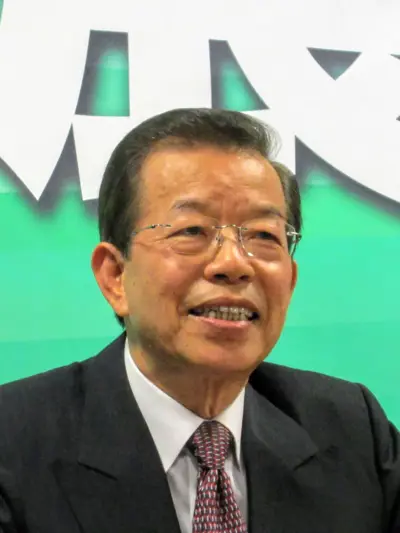
Frank Hsieh is a Taiwanese politician and former defense attorney. A cofounder of the Democratic Progressive Party, he has served on the Taipei City Council, the Legislative Yuan, as the mayor of Kaohsiung City, and as the Premier of the Republic of China under president Chen Shui-bian. Hsieh was the DPP nominee in the 2008 presidential election and was defeated by Ma Ying-jeou. Hsieh is currently the head of the Association of Taiwan-Japan Relations.
