Philip K. Dick Quotes
We should take mothers in high seas and drown them there, they are as poisonous as lead in the air.
Dick, Philip K. A Scanner Darkly. Doubleday, 1977.

This law is used to free “honor killing” murderers who have killed female relatives for what they thought was a sexual transgression that “stained the family honor.” The custom exists in some other countries but rarely with such sanction of law. In the case of Article 548 the word “witnesses” is interpreted to mean “heard about it” or even has some reason to suspect it. Each year in Syria hundreds of innocent women, and even girls are killed with impunity. In one 2007 case a 15 year old girl was kidnapped and raped. When she was freed by the police she was jailed. A cousin got her released by agreeing to marry her, but after the marriage, one of her own brothers, with the knowledge and concurrence of the rest of the family, butchered her with a knife. The family then held a party to celebrate the cleansing of their honor.

Islam and Sharia do NOT require women to wear burkas or headscarves. The religious requirement is for women to dress modestly. The scarves and burkas are cultural customs which differ from place to place. However, in many places, the customs are so ingrained along with islam that many Muslims believe these forms of dress are required by their religion.

Many leaders of nations are in denial about this problem which exists almost everywhere. In Israel, the problem is compounded because the very orthodox Jews and Muslims both come from a tradition where women are allocated a place subservient to men in many ways and to some (like some Christians) there is a perceived duty to discipline wives and daughters. So reform involves religious tradition and theology.


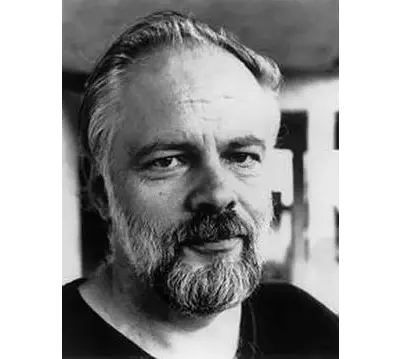
Philip Kindred Dick was an American writer known for his work in science fiction. He wrote 44 published novels and approximately 121 short stories, most of which appeared in science fiction magazines during his lifetime. His fiction explored varied philosophical and social themes, and featured recurrent elements such as alternate realities, simulacra, monopolistic corporations, drug abuse, authoritarian governments, and altered states of consciousness. His work was concerned with questions surrounding the nature of reality, perception, human nature, and identity.
