Mario Vargas Llosa Quotes
Death isn't enough. It doesn't remove the stain. But a slap, a whiplash, square on the face, does. Because a man's face is as sacred as his mother or his wife.
Vargas Llosa, Mario. The Time of the Hero. Translated by Lysander Kemp, Grove Press, 1966.


This proverb only makes sense in the light of understanding the Arab concept of revenge—“blood.” In a rural desert environment where little can be expected of government, the Arabs have developed a law enforcement and peace keeping mechanism which while primitive from modern standards, nevertheless worked to some degree. It is that revenge—“blood” is a moral necessity and obligation of all people, and revenge is not limited by time or to the individuals involved in the first incidence. The immediate family are the first to extract revenge, but the extended family follows and often the entire clan. Sometimes revenge is tribal or even national. Anyone who fails to revenge a member in his group is not only a disgrace, but is a clear and present danger to the group because then they can be attacked with impunity. So revenge is a strong obligation of the group members and blood must be paid with blood no matter how many generations it may take. The only thing that keeps me and my family safe, is the surety what whosoever kills one of us will themselves be killed or if they die a natural death we will take revenge on one of the evildoers relatives. Crime must never pay!
This proverb only makes sense in the light of understanding the Arab concept of revenge—“blood.” In a rural desert environment where little can be expected of government, the Arabs have developed a law enforcement and peace keeping mechanism which while primitive from modern standards, nevertheless worked to some degree. It is that revenge—“blood” is a moral necessity and obligation of all people, and revenge is not limited by time or to the individuals involved in the first incidence. The immediate family are the first to extract revenge, but the extended family follows and often the entire clan. Sometimes revenge is tribal or even national. Anyone who fails to revenge a member in his group is not only a disgrace, but is a clear and present danger to the group because then they can be attacked with impunity. So revenge is a strong obligation of the group members and blood must be paid with blood no matter how many generations it may take. The only thing that keeps me and my family safe, is the surety what whosoever kills one of us will themselves be killed or if they die a natural death we will take revenge on one of the evildoers relatives. Crime must never pay!


At Tippecanoe, General Harrison defeated the Indians but suffered over 60 of his men killed and many more wounded. Newly supplied modern English weapons were found on captured Indians. There was a call for war with England:
The Scimitar editors assumed that the author was a man. It was Ida B. Wells. The lynch mob found no one and only ransacked the Free Speech offices, threatening to lynch the editors if they ever returned.

Attila the Hun
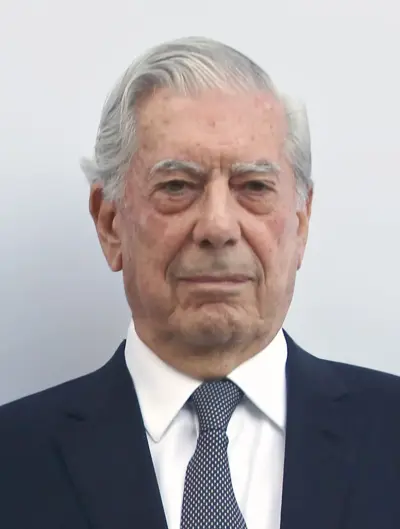
Jorge Mario Pedro Vargas Llosa, 1st Marquis of Vargas Llosa, more commonly known as Mario Vargas Llosa (/ˈvɑːrɡəs ˈjoʊsə/; Spanish: [ˈmaɾjo ˈbaɾɣas ˈʎosa]), is a Peruvian writer, journalist, essayist, college professor, and a former politician. Vargas Llosa is one of Latin America's most significant novelists and essayists, and one of the leading writers of his generation. Some critics consider him to have had a larger international impact and worldwide audience than any other writer of the Latin American Boom. In 2010 he won the Nobel Prize in Literature, "for his cartography of structures of power and his trenchant images of the individual's resistance, revolt, and defeat."
