Angela Davis Quotes
We have to look at for example the increasing globalization of capital, the whole system of transitional capitalism now which has had an impact on black populations - that has for example eradicated large numbers of jobs that black people traditionally have been able to count upon and created communities where the tax base is lost now as a result of corporations moving to the third world in order to discover cheap labor.
Davis, Angela. Interview by Henry Louis Gates Jr. "The Two Nations of Black America." Frontline, PBS, 10 Feb. 1998.


Although aggregate employment has remained relatively stable as global free trade has become the U. S. policy, there has been major employment disruption with some types of people benefiting and others like blue collar manufacturing workers having their entire careers wiped out. Port cities like Seattle, Baltimore have boomed while Midwestern manufacturing cities have deteriorated greatly.

Hoover, a brilliant administrator, seems to have been on the wrong side of most economic issues.


This practice which was considered immoral, unethical, and harmful to society in 1938 was considered sound business 60 years later with globalization. In 1938 a minority of Americans argued that the practice was desirable; in 1998 a minority thought that the practice was harmful.


Many free-traders disagree. While there is unemployment in the auto industry from imported cars, there is increased employment in the importing process, the marketing, selling, and maintenance of the imported cars as well as their financing. Further, when trade is open, we can then export products and services to Japan and this creates jobs. No one has ever been able to exactly measure the jobs created so it is an unsettled intellectual economic and political question. However, the people who lose jobs to imports are generally identifiable while the beneficiaries of many of the new jobs created by open trade are never specifically identified, so public opinion is more sympathetic to the former.


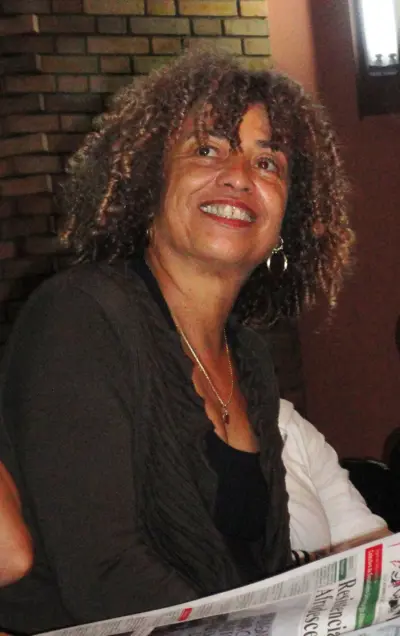
Angela Yvonne Davis is an American political activist, philosopher, academic and author. She is a professor at the University of California, Santa Cruz. Ideologically a Marxist, Davis was a longtime member of the Communist Party USA (CPUSA) and is a founding member of the Committees of Correspondence for Democracy and Socialism (CCDS). She is the author of over ten books on class, feminism, race, and the US prison system.
