Nat Hentoff Quotes
We have no idea how much the government knows and how much the CIA even knows about average citizens. The government is not supposed to be doing this in this country. They listen in on our phone calls. I am not exaggerating because I have studied this a long time.
Hentoff, Nat. Interview by Jim Meyers. Newsmax, Newsmax Media, 19 Jan. 2010.


In 1967 Cunningham headed a CIA study group reviewing U. S. Intelligence operations.

The National Security Agency under George W. Bush was secretly intercepting the phone calls of American citizens in the United States which was technically against the law. The newspapers had broken the story and the comedians had a field day.


The reason this quotation is famous is that Clapper answered “No, Sir”. 3 months later Edward Snowden disclosed the fact that the NSA was collecting some information from EVERY telephone call and e-mail made or sent in the United States. The colloquy became famous when the government tried to capture Snowden and try him for illegally revealing classified information when others saw him as a whistle blower who had told the truth and the guys who lied to Congress and the American people wanted to prosecute him.

Expressing concern over President Obama extending some of the American citizen entitled privacy rights to foreigners. He was concerned that this might inhibit our spying efforts.

The Great Firewall of China is the digital control system whereby the Chinese government can block the Chinese public from seeing web sites that are considered dangerous. Generally, these either involve pornography of political viewpoints unacceptable to the government.
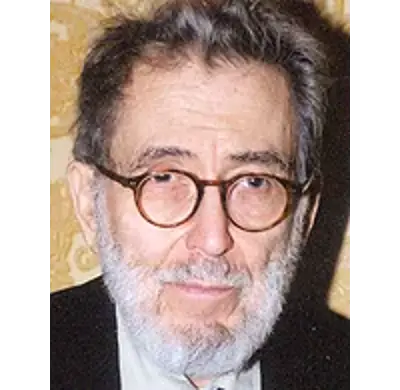
Nathan Irving Hentoff was an American historian, novelist, jazz and country music critic, and syndicated columnist for United Media. Hentoff was a columnist for The Village Voice from 1958 to 2009. Following his departure from The Village Voice, Hentoff became a senior fellow at the Cato Institute and continued writing his music column for The Wall Street Journal, which published his works until his death. He often wrote on First Amendment issues, vigorously defending the freedom of the press.
