Robert Darnton Quotes
The Great Firewall of China and the unrestricted surveillance by the National Security Agency illustrate a tendency for the state to assert its interests at the expense of individuals.
The Great Firewall of China is the digital control system whereby the Chinese government can block the Chinese public from seeing web sites that are considered dangerous. Generally, these either involve pornography of political viewpoints unacceptable to the government.
Robert Darnton, Cultural Historian, Censors At Work: How States Shaped Literature, 2014
Sourced by: Eigen's Political and Historical Quotations

For example, most of the documents that are classified as secret in the CIA are so classified because the censor thought the information might be damaging to the CIA’s interest, not the American citizen’s. However, there is a strange logic that is sometimes given to justify censoring material that would embarrass the agency: If the agency is embarrassed, public support and confidence in the agency will be eroded, and that in turn will cause investigations, reviews, and possible diminished budgets. This would be distracting from the agency’s mission of keeping Americans safe, so the public should be kept in the dark about embarrassing material.


He was the Chairman of the Senate Judiciary Committee. The Islamic fundamentalist terrorists are repugnant to us because they have no respect for Civil and Human Rights and would deny us what we value so highly and for which so many Americans have sacrificed. We are little better off if we surrender our civil rights in order to cope with the problem of losing our civil rights to the likes of the Taliban and Al Qaeda.

The reason this quotation is famous is that Clapper answered “No, Sir”. 3 months later Edward Snowden disclosed the fact that the NSA was collecting some information from EVERY telephone call and e-mail made or sent in the United States. The colloquy became famous when the government tried to capture Snowden and try him for illegally revealing classified information when others saw him as a whistle blower who had told the truth and the guys who lied to Congress and the American people wanted to prosecute him.

Critics of NSA observe that there is a fundamental difference between government invasion of privacy and that of corporations in that the Government can deprive a citizen of his/her liberty or even life while corporations can just invade their privacy, embarrass them, or hurt their economic status. Counter-critics rejoinder is that 99 percent of all the specific abuses of privacy and damages to citizens in the U. S. from massive data collection are made by private corporations, not the NSA or other government agencies.


The National Security Agency under George W. Bush was secretly intercepting the phone calls of American citizens in the United States which was technically against the law. The newspapers had broken the story and the comedians had a field day.
He was the Chairman of the Senate Judiciary Committee. The intelligence and law enforcement advocates of reducing privacy rights so that law enforcement can prevent acts of terrorism frame the question as a tradeoff between civil right and safety. However, as Leahy and many others point out, we would not be much safer if we gave up all our ivil rights. Further, hundreds of thousands of American have given their lives so that we would have those civil rights. Without them what are we protecting.


to enhance its ability to conduct surveillance


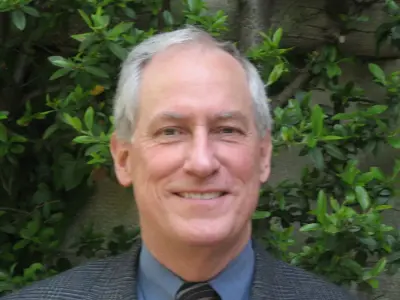
Robert Choate Darnton is an American cultural historian and academic librarian who specializes in 18th-century France.
