Martin Luther King Jr. Quotes
We have no honorable intentions in Vietnam. Our minimal expectation is to occupy it as an American colony and maintain social stability for our investments. This tells why American helicopters are being used against guerrillas in Colombia and Peru. Increasingly the role our nation has taken is the role of those who refuse to give up the privileges and pleasures that come from the immense profits of overseas investment.
King, Martin Luther, Jr. "The Casualties of the War in Vietnam." 25 Feb. 1967, Los Angeles, CA.


See {636935}for the policy decision that triggered this order.


This is an astounding statement by a general officer and service commander. Many attempts were made to smear Butler and some conservatives do so to this day, however he was the only man in US history who has been awarded the Medal of Honor twice and his loyalty and patriotism is hard to question. However, Butler was a very outspoken officer and after he retired, he was a constant embarrassment and thorn in the sides of administrations of both parties.

This quotation illustrated the extreme right wing viewpoint of some military leaders, even when the policy was only to enforce a “no fly zone” that had been agreed to by Iraq and the coalition forces. While Looney’s wing would use military force to take Middle East oil, that policy was completely contrary to the Clinton Democratic administration’s position at the time and the Bush Republican administration’s position that followed.


American official foreign policy had been officially isolationist—to not get involved in the squabbles and fights of other nations. Angell however pointed out that even before WWII, America had formally been involved in 6 foreign wars and used military incursions on foreign soil on almost 100 occasions.


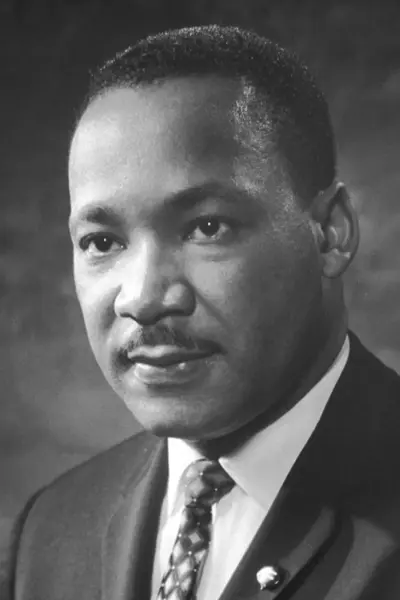
Martin Luther King Jr. was an African American Baptist minister and activist who became the most visible spokesperson and leader in the American civil rights movement from 1955 until his assassination in 1968. King advanced civil rights through nonviolence and civil disobedience, inspired by his Christian beliefs and the nonviolent activism of Mahatma Gandhi. He was the son of early civil rights activist Martin Luther King Sr.
