Malcolm Nance Quotes
Waterboarding is slow-motion suffocation with enough time to contemplate the inevitability of blackout and expiration. Usually, the person goes into hysterics on the board. For the uninitiated, it is horrifying to watch. If it goes wrong, it can lead straight to terminal hypoxia - meaning, the loss of all oxygen to the cells.
Nance, Malcolm. "Waterboarding is Torture... Period." Small Wars Journal, 31 Oct. 2007.

Neilson had flown in the Doolittle Raid on Tokyo. It was the first bombing of Tokyo in WWII. He was shot down and captured. He was tortured including the torture of ‘waterboarding.’ The Japanese who administered the torture and who allowed it were tried before the International Military Tribunal for the Far East—the Tokyo War Crime Trials. They were convicted and punished. In the first decade of the 21st century the George W, Bush Administration argued that waterboarding was not necessarily torture despite the fact that Americans had tried and punished foreigners who engaged in the practice and even Americans who did. It was completely outlawed by military regulations but some Americans felt that it should be allowed by the CIA in dealing with terrorists.


Earlier in the manual, the illegality of such techniques is stated. Later there are suggestions for the use of duress. See {597790}
Major Fleener had been assigned to defend accused terrorists who were being held at the military prison in Guantanamo, Cuba. For several years they were held without a hearing or trial. Then the U. S. Supreme Court ruled that they had to be given a hearing or trial. A Military tribunal was selected. The methods and procedures of these hearings came under much public world-wide criticism as they did not meet the normal legal standards of most countries. Surprisingly, one of the military officers made public statements criticizing the army and the trials.

The reason for these creative phrases was that President George W, Bush had publicly stated that it was United States policy to follow American and International Law and the U. S. does “not torture”. The CIA then decided that it should destroy the videos of the episodes where these euphemisms were used when they were accused of torture and there were calls for prosecution for violation of U. S. law.

At that time in American History, the George W. Bush Justice Department had a small team of lawyers who wrote a legal brief that defined torture in such a way that many of the most common forms of torture were no longer legal torture, even though they had been torture in American law and were again torture after this embarrassing episode of American history. The renamed techniques were called “enhanced interrogation” and a few terrorist suspects were subjected to it before the rules and laws were changed and the “legal opinions” nullified. The FBI and military intelligence did not use the so called enhanced interrogation techniques as they felt that torture produced unreliable intelligence as the victim will say anything the questioner wants to hear to end the torture. They also thought the Justice department memo was sloppy and defective legal work. Senator McCain was a particular expert on torture in that he had, during the Vietnam War, been captured and imprisoned for 7 years during which he had been tortured on several occasions.

Several American soldiers have been court marshalled and found guilty of illegal torture for Warterboarding prisoners to induce them to provide information. Most experts agree that intelligence received this way is highly unreliable in that victims will say anything they think the torturer wants to hear to get the torture to stop.


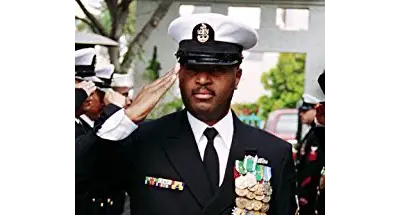
Malcolm Wrightson Nance (born 1961) is an American author and media commentator on terrorism, intelligence, insurgency, and torture. He is a former United States Navy Senior Chief Petty Officer specializing in naval cryptology.
