Napoleon Bonaparte Quotes
War justifies everything.
Bonaparte, Napoleon. Maximes et Pensées du Prisonnier de Sainte-Hélène. L'Huillier, 1820, p. 58.


The English were at War with Napoleon and Denmark was neutral. British leaders feared that Denmark might either ally themselves with Napoleon or provide him with ships from their well equipped fleet. The English decided on a preemptive attack on Denmark and Paget and other Captains were ordered to Denmark. When they arrived they were ordered to bombard Copenhagen and force the Danes to surrender. When this happened, the British seized the Danish ships and simply took them as war prizes. The issues of the morality and wisdom of preemptive attacks, as with the Americans in the Iraq war, was thoroughly debated but the government view prevailed to the shame of most Englishmen.

This was a precursor of the total war views of William Tecumseh Sherman and Ulysses S. Grant during the American Civil War half a century later.


He grossly underestimated the intensity of the American patriotic feeling and the fighting ability of the Colonists. He Commanded the Royal Marines at the Battle of Bunker Hill where he was killed by a shot fired by ex-slave and Black Patriot, Peter Salem. Note the recommendation to destroy towns. At the time, that was considered improper in warfare between nations, yet it was not so clear in fighting a rebellion. However, this was against British policy and it was not a tactic employed in trying to suppress the American Revolution.

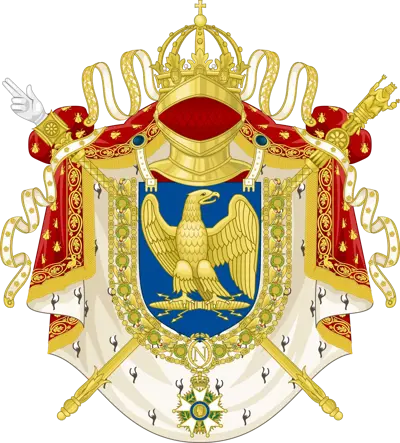
Napoléon Bonaparte was a French military and political leader of Corsican descent. He rose to prominence during the French Revolution and led several successful campaigns during the Revolutionary Wars. As Napoleon I, he was Emperor of the French from 1804 until 1814, and again in 1815. Napoleon dominated European and global affairs for more than a decade while leading France against a series of coalitions in the Napoleonic Wars. He won most of these wars and the vast majority of his battles, building a large empire that ruled over continental Europe before its final collapse in 1815. One of the greatest commanders in history, his wars and campaigns are studied at military schools worldwide. He remains one of the most celebrated and controversial political figures in human history.
